How Long Should You Wait After Pressure Washing Before Exterior Painting?
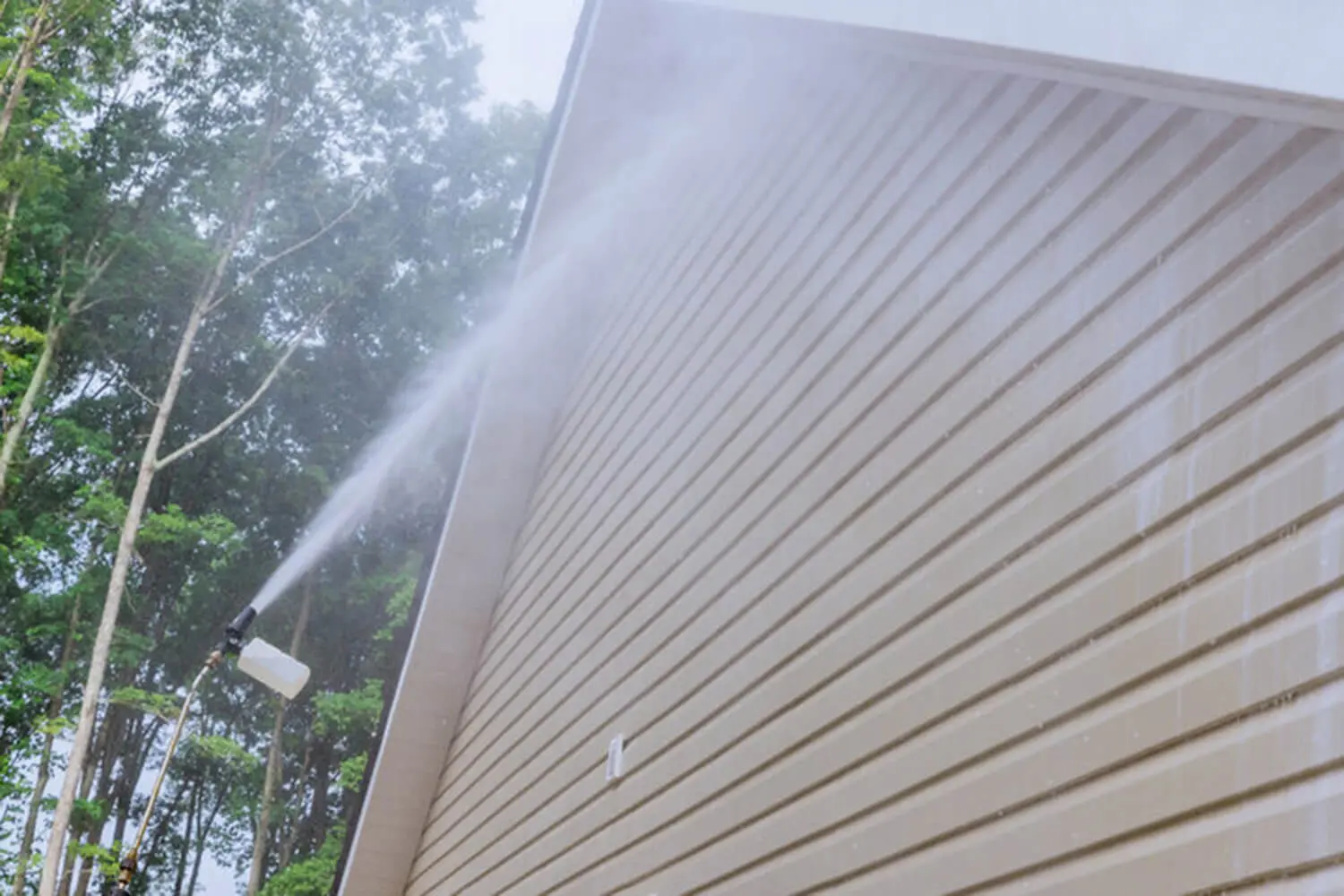
Pressure washing and exterior painting often get scheduled close together, and that’s usually the right instinct. The problem is the window between them. Most homeowners treat it as a formality — rinse the surface, let it sit overnight, start painting in the morning. But the time between washing and painting is a process requirement, not a courtesy buffer, and getting it wrong affects the entire paint job before a single coat goes on.
When moisture is still present in a surface and paint goes down anyway, the coating can’t bond the way it’s designed to. That failure doesn’t always show up immediately. Sometimes it takes weeks or months before peeling, bubbling, or adhesion failure makes the problem visible. By then, the damage is already done.
This post covers how drying actually works after pressure washing, what determines how long it takes, and how experienced painters confirm a surface is genuinely ready rather than just assuming it is.
Why Drying Time Matters for Paint Adhesion
Exterior paint bonds to a surface through a chemical process that requires the substrate to be dry. When moisture is still present, that process is interrupted at the most fundamental level — the paint film can’t make full contact with the surface beneath it, and the bond it forms is weaker than it needs to be to hold up over time.
The challenge is that moisture isn’t always visible. A surface can look dry within a few hours of pressure washing and still be holding significant moisture below what the eye can detect. Wood grain traps and releases water slowly. Stucco is porous and can retain moisture well into its interior layers. Masonry absorbs water deeply and gives it up gradually, particularly in shaded areas or when humidity is already elevated. What looks like a ready surface can still be a problem waiting to surface.
When paint goes down over moisture that hasn’t fully cleared, the consequences are predictable:
- Bubbling or blistering as trapped moisture tries to escape through the paint film
- Peeling at edges, seams, and transitions where adhesion is most stressed
- Premature failure across the surface well ahead of the coating’s expected lifespan
- Uneven sheen or finish inconsistencies visible from the start
None of these are random outcomes. They trace directly back to the condition of the surface when the coating was applied.
Proper drying time isn’t a precaution that careful painters add to the process. It’s part of how a quality exterior paint job works. Skipping or shortening it doesn’t save time — it moves the cost forward to a repaint that shouldn’t have been necessary.
How Long the Drying Process Actually Takes
The general industry baseline is 24 to 48 hours between pressure washing and exterior painting under normal conditions. That window gives most surfaces enough time to release the moisture introduced during the wash and reach a level that supports proper paint adhesion.
It’s a starting point, not a fixed rule. The actual timeline for a specific surface on a specific day can fall shorter or longer depending on the conditions covered in the next section. A 24-hour window in dry, warm weather with good airflow is a different situation than a 24-hour window in humid, overcast conditions with no breeze.
Some materials routinely require more time than the baseline suggests. Wood siding absorbs water into its grain and releases it more slowly than non-porous surfaces, often needing closer to 48 hours or longer before it’s genuinely ready. Masonry and stucco can hold moisture in their interior layers well past the point where the surface feels dry to the touch, particularly on thicker sections or north-facing walls that don’t get direct sun.
Professional painters factor this window into project scheduling from the start. The wash is planned as its own project step with a buffer built in before paint can begin — not as same-day preparation. That scheduling approach exists because waiting is part of how the job is done correctly, not because professionals are being overly cautious about a timeline.
What Affects How Fast Exterior Surfaces Dry
Drying time after pressure washing isn’t a single number because the conditions that drive drying vary from one job to the next. Four factors shape how quickly moisture leaves a surface, and they compound each other in both directions.
Temperature is the most direct driver. Warmer air absorbs moisture from a surface faster, which means evaporation moves quickly on a warm day and slows considerably when temperatures drop. A surface ready in 24 hours at 85 degrees may need significantly more time when overnight temperatures fall and the morning stays cool.
Humidity works against drying by reducing the air’s capacity to absorb moisture. When relative humidity is high, the gradient between the wet surface and the surrounding air narrows. In Southwest Florida’s summer months, high humidity alone can push drying timelines well beyond the standard baseline.
Sun exposure and airflow accelerate drying by adding energy to the surface and moving moisture-laden air away from it. A south-facing wall in direct afternoon sun dries considerably faster than a shaded north-facing wall on the same property.
Surface material determines how deeply water penetrates and how easily it releases:
- Wood siding absorbs moisture into the grain and releases it slowly, especially older or weathered wood
- Stucco retains moisture in its interior layers long after the face feels dry
- Masonry and brick absorb deeply and require extended drying windows in shaded or low-airflow areas
- Vinyl and fiber cement are less absorbent and typically dry faster, though seams and joints can trap water longer
Pressure washing intensity adds a final variable. A heavier wash drives more water into porous materials, extending the drying window regardless of how favorable the weather conditions are.
How Professionals Confirm a Surface Is Ready to Paint
Experienced painters don’t rely on visual inspection alone to confirm a surface is ready. A surface that looks dry can still be holding moisture below what the eye can detect, and applying paint over that surface produces the same result regardless of how it looked at the time.
Moisture meters are the most reliable tool for this step. They measure actual moisture content in wood and other porous substrates by reading the conductivity or electrical resistance of the material. A professional uses these readings to confirm the surface has reached a moisture level that supports proper adhesion before any coating goes down. Visual inspection tells you what the surface looks like. A moisture meter tells you what’s actually happening beneath it.
Touch and sheen checks add a secondary layer of confirmation. A surface that still feels cool to the touch is releasing moisture into the surrounding air. Any visible sheen or wet appearance at the surface is an obvious indicator. Neither of these replaces instrument-based testing, but both give an experienced painter useful information about whether conditions are trending in the right direction.
Weather window planning is the third element. Professionals check forecasts before scheduling painting and account for overnight humidity, morning dew, and any rain in the days following application. A surface can be confirmed dry at 9 a.m. and compromised by afternoon conditions if the forecast wasn’t factored in. Scheduling around conditions — not just surface appearance — is part of how professionals protect the work they’re about to put down.
Together, these steps reflect a verified process rather than a judgment call. The homeowner doesn’t see most of it, but it’s what separates a paint job that holds from one that doesn’t.
Drying Time Is Part of the Job — Not a Detail to Rush
Waiting after pressure washing isn’t optional, and it isn’t a technicality. It’s a step with real consequences for how the paint performs and how long it holds up.
The timeline depends on material, weather, and how the wash was done. Under normal conditions, 24 to 48 hours is the standard baseline, but that number means less without confirmation that the surface has actually reached the right moisture level. A surface that looks ready and a surface that is ready aren’t always the same thing.
Shortening or skipping this window directly affects how long paint lasts, and most adhesion failures trace back to conditions at the time of application. Adhesion failures, early peeling, and bubbling that show up weeks or months later almost always trace back to conditions at the time of application — and moisture in the substrate at the time of painting is one of the most common causes.
Professionals manage this from the start. The pressure wash is scheduled with the drying window built in, conditions are monitored, and moisture readings confirm readiness before any coating goes down. The homeowner doesn’t have to track any of it.
If you’re planning an exterior project and want it done without shortcuts on the steps that matter most, we’d be glad to help. Seaside Coatings handles the full process — from pressure washing timing and surface verification to paint application — so every part of the job is set up correctly before the first coat goes on. Reach out today to schedule a consultation and get a clear picture of what your home needs.