How Long Do Epoxy Garage Floors Last in Fort Myers Homes?
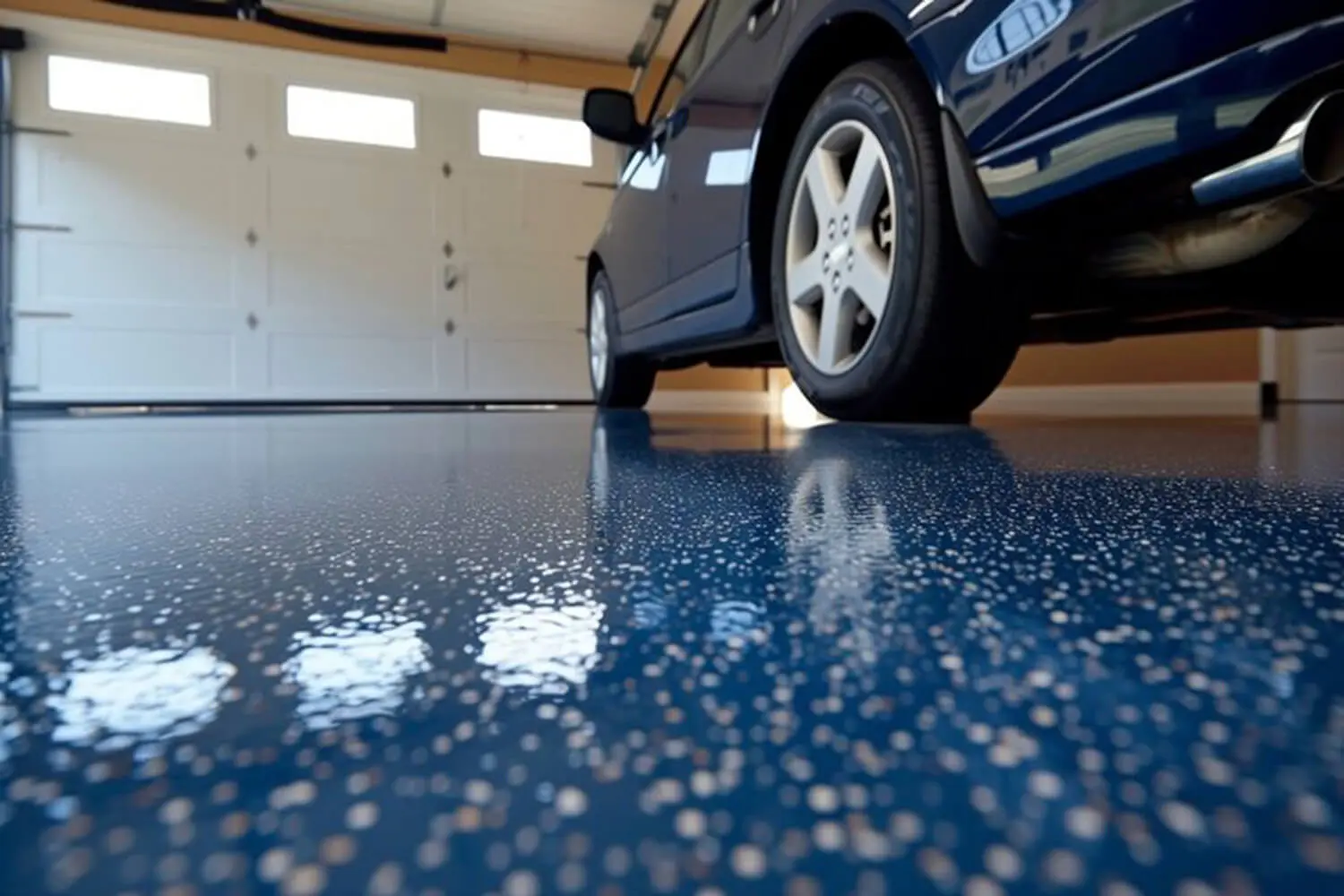
Epoxy flooring is one of the more significant investments a Fort Myers homeowner can make in their garage. It changes how the space looks, how it functions, and how easy it is to maintain. But before committing to it, the question most homeowners ask is a practical one: how long is this actually going to last?
It’s the right question. Fort Myers deals with heat, humidity, and heavy rain for most of the year, and those conditions affect how coatings perform over time in ways that product specs written for average climates don’t always account for.
The honest answer is that how long epoxy garage floors last in Fort Myers homes isn’t a single number. It’s a range, and where a floor lands in that range depends on several factors that compound each other. The factors that shape that range fall into three areas: the products used, how the floor was installed, and the climate itself.
This post breaks down each of those factors so homeowners can go into the decision with a clear picture of what determines longevity and what to look for when evaluating their options.
What Determines How Long Epoxy Floors Last
Epoxy lifespan isn’t a fixed number that applies equally to every garage floor. It’s a range, and the range is wide. A professionally installed epoxy system in a residential garage can last anywhere from 10 to 20 years. A cheap single-layer system or a DIY kit applied over inadequate prep can start failing in two to five years. The difference between those outcomes isn’t luck — it’s variables decided before the coating is ever applied.
Four factors shape where a floor lands in that range. The first is coating system quality — the grade of materials used, how many layers the system includes, and whether the topcoat is formulated for the demands of the environment. The second is surface preparation, which determines how well the epoxy bonds to the concrete beneath it. The third is installation method — mixing ratios, application conditions, and whether the process is executed correctly. The fourth is day-to-day use — vehicle traffic, chemical exposure, and basic maintenance over time.
These factors don’t operate independently. A high-quality coating system applied over poor prep will fail early. Proper prep under a budget single-coat system produces a floor that won’t reach its potential lifespan.The best outcomes come when all four variables are handled correctly from the start.
How Fort Myers’ Climate Affects Epoxy Over Time
South Florida’s climate creates specific stresses on epoxy coatings that homeowners in cooler, drier markets rarely have to think about. In Fort Myers, those stresses are present year-round, which means the coating system and installation approach have to account for them from the start.
UV exposure is the first factor. Garage floors near windows or doors that receive regular direct sunlight are exposed to significant UV energy. Without a UV-resistant topcoat, standard epoxy will yellow, chalk, and lose its surface integrity faster than it would in a shaded or northern climate. The degradation is gradual but cumulative, and it accelerates in spaces that see consistent sun exposure across the slab.
Moisture vapor transmission is the second and often more consequential factor. Concrete in Fort Myers absorbs and releases moisture constantly due to the region’s high humidity and water table. When that moisture vapor pushes up through the slab and has nowhere to go, it creates pressure beneath the coating. The effects of this are predictable:
- Bubbling or blistering beneath the epoxy surface
- Delamination at the edges or in isolated patches
- Peeling that begins at stress points and spreads outward
- Early failure regardless of how well the topcoat itself is holding up
Temperature cycling is the third factor. Concrete expands and contracts as surface temperatures rise and fall, and Fort Myers sees significant daily and seasonal temperature swings. Over time, that movement puts stress on the bond between the coating and the slab. A system that isn’t engineered for flexibility will develop micro-fractures at that bond line before the coating itself shows any visible wear.
None of this makes epoxy a poor choice for Fort Myers garages. It makes epoxy garage floor lifespan in Fort Myers directly dependent on how well the coating system and installation address these specific conditions — which is exactly why the details covered in the sections below matter more here than they would in a milder climate.
Why Surface Preparation Is the Biggest Longevity Factor
No coating system performs beyond the quality of the surface it’s applied to. Skipping prep work is where most premature failures begin, and it’s the variable that separates a floor that lasts 15 years from one that starts peeling in three. Surface preparation is where most premature failures begin, and it’s the variable that separates a floor that lasts 15 years from one that starts peeling in three.
The reason comes down to bond. For epoxy to hold over the long term, it needs to penetrate into the concrete rather than simply sit on top of it. That penetration only happens when the surface has been properly opened through mechanical profiling — grinding or shot-blasting the slab to create a texture that allows the coating to grip at a structural level. When that step is done correctly, the epoxy and the concrete behave almost as a single material under normal stress. When it’s skipped or done inadequately, the coating rests on the surface layer of the slab and any movement, moisture, or impact gives it a reason to separate.
Moisture testing is a step that becomes especially important in Fort Myers specifically. Applying epoxy over a high-moisture slab leads to early failure regardless of coating quality. A professional installer tests moisture levels before any coating goes down. The results determine primer selection and whether a vapor barrier is needed.
The distinction between professional prep and DIY prep is worth being clear about:
- Mechanical grinding opens the concrete at a level acid etching cannot match
- Acid etching alone is not sufficient for a long-lasting epoxy installation
- DIY prep kits use chemical methods that clean the surface but don’t create the profile epoxy needs to bond correctly
- Shot-blasting, used on larger or more demanding slabs, produces a surface profile that maximizes mechanical adhesion
The homeowner who understands this going in knows what questions to ask before hiring anyone. If a contractor’s process doesn’t include mechanical surface profiling and moisture testing, the floor’s lifespan is already compromised before the first coat is mixed.
How Professional Installation Affects Long-Term Performance
The gap between a professionally installed epoxy system and a single-layer epoxy paint product isn’t just about aesthetics. It’s a structural difference that directly determines how long the floor holds up.
A professional multi-coat system includes a penetrating base coat that bonds to the prepared concrete, a broadcast layer of decorative chips or quartz if specified, and a polyaspartic or urethane topcoat that seals everything beneath it. Each layer serves a function. The base coat establishes the bond. The broadcast layer adds texture and slip resistance. The topcoat is what the floor lives on day to day.
In Fort Myers, topcoat selection matters more than it does in most other markets. Polyaspartic topcoats resist UV degradation and abrasion significantly better than standard epoxy alone. A standard epoxy topcoat may perform adequately in a shaded northern garage. In a Fort Myers home where the garage door opens to direct afternoon sun, it is the weaker choice for garage epoxy durability.
Installation conditions affect the outcome in ways most homeowners don’t notice until the floor starts failing. Common errors that shorten lifespan include:
- Applying coating to a slab that is too hot from direct sun exposure
- Mixing resin and hardener at incorrect ratios, which affects cure strength
- Coating in high ambient humidity without accounting for extended cure time
- Failing to allow adequate cure time between coats
Professional installers monitor temperature and humidity throughout the process and adjust accordingly. These aren’t extra precautions — they’re the baseline conditions that determine whether the system bonds at full strength.
This is the variable the homeowner controls through who they hire.
What a Well-Maintained Epoxy Floor Looks Like After 10 Years
Ten years is a meaningful benchmark for a Fort Myers epoxy floor. By year ten, the gap between a well-installed system and an undersized one is clear.
A quality floor installed by an experienced professional and maintained properly should still be doing its job at the 10-year mark. The coating should be intact across the majority of the slab. The surface should clean easily without absorbing stains or holding moisture. Some gloss loss is normal aging, not failure. The floor should still look clean and presentable.
Wear at 10 years tends to concentrate in predictable areas. The zones where tires sit day after day see the most stress from weight, heat, and the oils and chemicals tires carry. The path from the garage door to the entry is the second highest-traffic zone. Light scuffing or a slight dulling of the topcoat in these areas is expected and doesn’t indicate a problem with the system. It indicates the floor is being used.
A well-installed floor shows surface wear in high-traffic zones. An undersized system shows peeling, bubbling, or delamination elsewhere. A well-installed floor that shows surface wear in high-traffic zones is aging correctly. A floor that shows peeling at the edges, bubbling across the field, or delamination in areas that don’t take direct abuse is showing signs of a preparation or installation failure that would have been visible much earlier in the floor’s life.
Understanding how long epoxy floors last in real-world conditions helps homeowners set accurate expectations. Light maintenance extends the floor’s life and pushes back the timeline before recoating becomes necessary. Periodic cleaning, avoiding harsh solvents, and fixing edge damage early all make a meaningful difference.
What Fort Myers Homeowners Can Realistically Expect
A professionally installed epoxy system with proper surface preparation and a quality polyaspartic topcoat should last 10 to 15 years in Fort Myers conditions. Floors that receive consistent basic maintenance can reach toward the upper end of that range. Floors installed with budget materials or inadequate prep tend to fall well short of it.
The variables covered throughout this post are what separate a 5-year floor from a 15-year floor. Most of those variables are decided before the coating ever goes down — in the coating system selected, the prep work performed, and the conditions under which the installation takes place. By the time the garage is back in use, the decisions that determined its lifespan have already been made.
Fort Myers’ climate raises the bar for what properly installed actually means. UV exposure, moisture vapor transmission, and thermal cycling put more sustained stress on epoxy coatings here than in most other markets. The margin for error in product selection and installation is smaller than homeowners often expect.
None of that makes epoxy a difficult choice. It makes the case for getting it done right the first time. A floor that reaches the 10 to 15 year mark without failure represents a strong return on the initial investment, and the difference between that outcome and an early failure almost always traces back to the quality of the work performed on day one.
If you’re thinking about an epoxy floor and want to understand what a professional system would look like for your specific garage, we’d be glad to walk you through it. Reach out to us to schedule a consultation before any work begins.