
How Often Should You Have Your Home’s Exterior Painted?
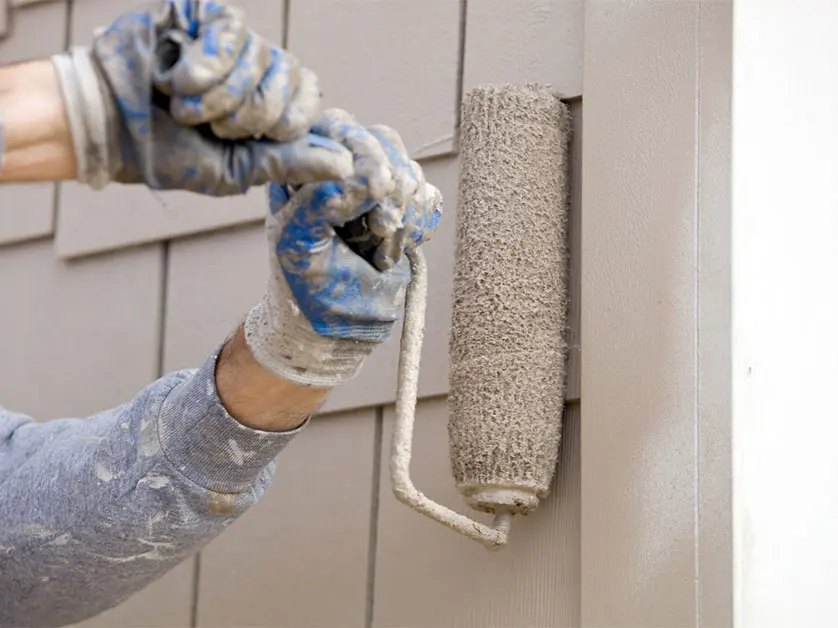
Exterior paint does two jobs at once. It keeps your home looking sharp and it protects the surface underneath from moisture, UV exposure, pests, and the general wear that comes with years of weather exposure. When the paint fails, both jobs stop getting done.
In Fort Myers and the surrounding Southwest Florida area, exterior paint works harder than it does in most other parts of the country. The intensity of the sun, the humidity, the proximity to saltwater in coastal areas, and the volume of rain during the wet season all accelerate how quickly paint breaks down. Understanding how those factors affect your specific home is the starting point for knowing when it is time to repaint.
Why Repainting on Schedule Matters
Most homeowners repaint when the exterior looks bad. That is a reasonable trigger but not the ideal one. By the time paint is visibly failing, the surface underneath has often already taken damage that a timely repaint would have prevented.
Paint that has begun to crack, peel, or lose adhesion is no longer keeping moisture out. Water that gets behind the paint film works into the substrate, which can cause wood rot in trim and siding, stucco deterioration, and mold growth behind the surface. Repainting at the right interval keeps the protective barrier intact before it fails rather than after.
In Southwest Florida, that interval is shorter than homeowners coming from other parts of the country typically expect. A paint job that would last ten years in a moderate northern climate may need attention in five to seven years here, depending on the siding material, the paint quality, and the home’s exposure conditions.
Signs It Is Time to Repaint
Before getting into recommended timelines, it helps to know what to look for on the exterior of your home. Any of these signs indicates that the paint is no longer doing its job effectively:
- Fading color: Florida sun is intense and fades exterior paint faster than most climates. When the color looks noticeably lighter or uneven compared to when it was first painted, UV degradation is underway.
- Cracking or checking: Fine cracks in the paint surface indicate the film has lost flexibility and is no longer expanding and contracting with the substrate as temperatures change.
- Peeling or bubbling: Paint that is separating from the surface beneath it has lost adhesion. Moisture is usually the cause, either from rain getting behind the film or from humidity working through the substrate.
- Chalking: A chalky, powdery residue on the surface when you run your hand across it means the paint binders have broken down. The surface is no longer providing protection.
- Cracking caulk: Failed caulk around windows, doors, and trim joints allows water infiltration regardless of how good the paint itself looks.
Any one of these signs is worth having a professional assess. Several of them together means a repaint should happen soon.
How Often to Repaint by Siding Type
The material your home is clad in is one of the biggest factors in how long exterior paint lasts. Different materials hold paint differently and respond differently to Southwest Florida’s climate conditions.
Wood siding requires the most frequent attention of any siding material. In Fort Myers conditions, wood siding typically needs repainting every three to seven years. Wood is porous and absorbs moisture readily, which causes paint to fail from the substrate outward. Salt air near the coast accelerates this process further. Regular inspection is important because deterioration can advance quickly once the paint barrier fails.
Aluminum siding holds paint reasonably well but is susceptible to oxidation and surface chalking in Florida’s UV environment. Plan for repainting every five years in most cases. Proper surface preparation before repainting, including cleaning and light sanding to remove oxidation, is essential for the new coat to bond well.
Stucco is the most common exterior finish on Fort Myers homes and it responds well to paint, but it requires attention to surface condition before each repaint. Stucco that has developed cracks needs to be repaired and sealed before new paint goes on. Plan for repainting every five to six years under normal conditions, or sooner if cracks or surface deterioration appear.
Brick and cement fiberboard are the most durable siding materials from a paint longevity standpoint. Properly painted brick and cement fiberboard can go ten to fifteen years between repaints in moderate climates. In coastal Southwest Florida, salt air and UV exposure push that closer to eight to twelve years. Annual inspection for surface issues is still worthwhile even with durable materials.
What Affects How Long Your Paint Job Lasts
Beyond siding type, several additional factors influence how quickly exterior paint breaks down in Southwest Florida.
Paint quality is one of the most significant variables within your control. Premium exterior paints formulated with high acrylic content and UV inhibitors outperform builder-grade products significantly in Florida conditions. They resist fading, maintain adhesion longer, and provide better moisture resistance. The higher upfront cost typically extends the interval between repaints enough to make it cost-effective over time.
Coastal proximity accelerates paint degradation in ways that homeowners further inland do not experience to the same degree. Salt air is corrosive and works into paint films and substrates more aggressively than standard humidity alone. Homes within a few miles of the Gulf or a bay typically need more frequent inspection and repainting than homes further inland.
Sun exposure varies significantly based on the orientation of the home and how much shade the structure gets. South and west-facing walls take the most direct sun exposure and typically show paint degradation first. These surfaces are worth inspecting more frequently than north and east-facing walls.
Application quality matters as much as product quality. A paint job applied over properly prepared surfaces with the right primer and the correct number of coats will outlast one where preparation was rushed or skipped, regardless of the paint brand. This is one of the most important reasons to choose a contractor based on process quality rather than price alone.
Building a Repainting Schedule
Rather than waiting for visible failure, the better approach is to build a regular inspection and repainting schedule based on your home’s siding type and exposure conditions.
A practical approach for most Fort Myers homeowners:
- Inspect the full exterior annually, paying particular attention to south and west-facing surfaces, trim, caulk joints, and any areas with significant sun or moisture exposure
- Address minor caulk failures and touch-up needs as they appear rather than letting them develop into larger problems
- Plan a full repaint before the paint reaches the end of its expected lifespan for your siding type, not after visible failure has begun
- Schedule exterior painting during the dry season window, from November through April, when humidity is lower and the wet season storm pattern is not a factor
Staying ahead of the repainting schedule protects the substrate, maintains the home’s appearance, and avoids the more expensive repairs that come with letting paint failure go too long.
If you are not sure where your home’s exterior stands, a professional assessment is the right starting point. Seaside Coatings provides exterior painting services throughout Fort Myers and the surrounding Southwest Florida area. Call us at (239) 266-8344 or fill out our online form to schedule a free estimate.