
How to Choose the Right Paint Color for a Small Room
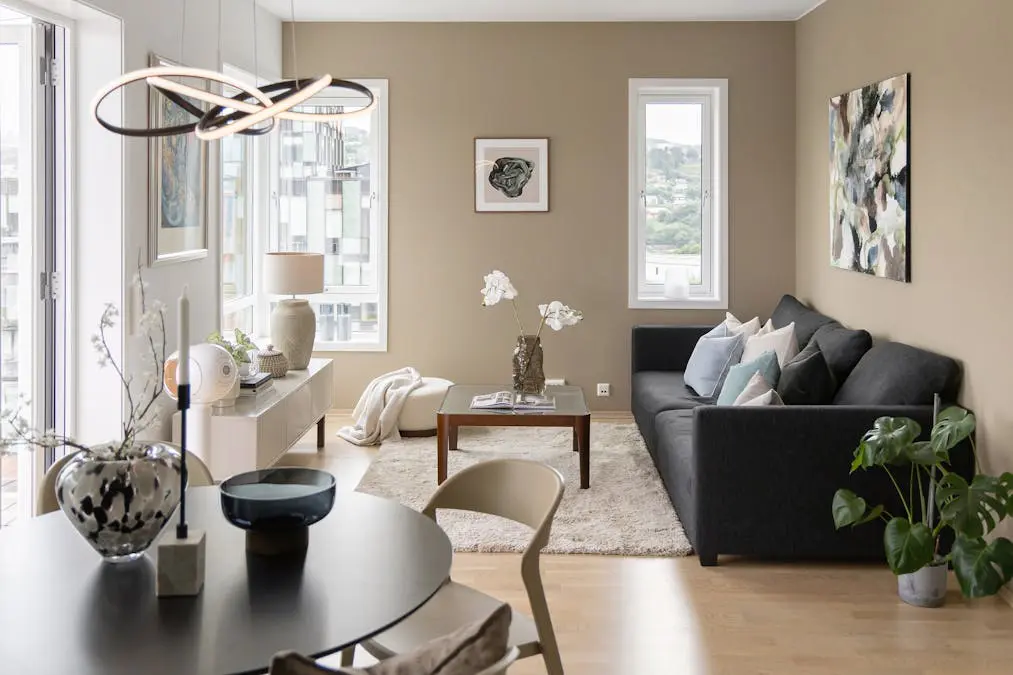
Small rooms can feel cozy and inviting—or cramped and closed off—depending on the color on the walls. The paint you choose has a bigger impact in a tight space than you might expect. Light, reflection, and color depth all play a role in how large or livable a room feels.
Knowing how to choose the right paint color for a small room can make the difference between a space that feels boxed in and one that feels open, clean, and modern. This guide breaks down the key color strategies professional painters use to transform compact interiors without knocking down a single wall.
Stick with Light and Neutral Tones for Openness
The fastest way to open up a small room is with paint that reflects light instead of absorbing it. Professional painters often recommend soft, airy shades like pale beige, warm ivory, or muted gray. These colors bounce natural and artificial light, creating the illusion of more space.
If you’re not sure where to start, here are a few shades professionals often use to make small rooms feel brighter:
- Soft taupe: Adds warmth without feeling heavy
- Warm white: Clean, reflective, and works with any style
- Pale gray: Cool and calming, ideal for modern interiors
- Light greige: A balanced blend of gray and beige
Darker tones may look dramatic, but they can make walls feel closer and ceilings feel lower. That effect is amplified in compact areas like guest rooms, hallways, or powder rooms.
For homeowners who want flexibility with furniture and décor, neutral colors are the safest and most versatile choice. They adapt to changes in style, accent colors, and seasonal décor without clashing or overwhelming the space.
When it comes to finish, professional painters usually choose eggshell or matte for walls in small spaces. These finishes reduce glare and help hide imperfections, which tend to be more visible in tight rooms with direct lighting.
Use Accent Walls to Add Depth Without Shrinking the Room
Accent walls help create dimension in small spaces without making them feel crowded. Professionals use them to add contrast and focus.
Here’s how a well-placed accent wall improves the feel of a compact room:
- Adds depth: A darker wall creates distance and draws the eye outward.
- Defines layout: It anchors key features like beds, desks, or shelving.
- Boosts style: It introduces bold color without overwhelming the whole room.
The best placement is the wall opposite the entry or behind furniture. This gives the room balance and visual weight.
Small rooms require precision. Pros ensure sharp lines, smooth coats, and a clean finish—details that stand out in tight spaces.
Let the Light Lead Your Color Choice
Light can completely change how a paint color looks in a small space. That’s why professionals always factor lighting into color selection.
Rooms with minimal natural light often look darker, even with pale colors. In these cases, painters may suggest warmer tones like creamy white or soft peach. These add brightness and warmth that compensates for shadows and artificial light.
In contrast, rooms with lots of sunlight—especially south-facing ones—can handle cooler tones. Pale gray, soft blue, or misty green look clean and fresh in well-lit spaces without feeling cold.
Here are a few light-based recommendations that painting professionals often use:
- Low light: Use warm, soft neutrals to counteract dimness.
- Bright sunlight: Choose cool or muted colors that don’t become overpowering.
- Mixed lighting: Stick with balanced, mid-tone shades that hold their tone across changes in light.
Expert painters also test samples on multiple walls and check them throughout the day. That’s because paint can shift dramatically depending on the time of day or bulb type.
Without proper testing, a soft gray might turn green or beige might look yellow. This is where expert input helps prevent disappointment or costly repaints.
Don’t Forget the Ceiling and Trim
In a small room, details like ceilings and trim make a big difference. These surfaces frame the space and affect how open it feels.
Most professional painters recommend painting the ceiling a slightly lighter shade than the walls. This draws the eye upward and makes the ceiling feel higher. In some cases, painting the ceiling the same color as the walls can create a seamless, modern look. This works especially well in rooms with low contrast and limited square footage.
Trim also plays a key role. Crisp white trim can brighten the edges of a room and define architectural features without adding clutter. It provides a clean break between walls, floors, and ceilings, helping the space feel intentional and well-balanced.
Here’s how painters typically approach small-space trim and ceilings:
- Ceilings: Lighter than the wall color, or same tone for a seamless look
- Trim: High-contrast white for clean lines and visual sharpness
- Finish: Satin or semi-gloss for durability and light reflection on trim and ceilings
These finishes are best left to professionals. Tight corners, uneven surfaces, and poor lighting can easily lead to streaks, drips, or missed spots when painting in small spaces.
Work With the Existing Features of the Room
Every small room has features that affect how paint will look and feel—things like windows, built-ins, ceiling height, and flooring. Professional painters assess these details before choosing a color plan. Their goal is to use color to highlight strengths and minimize limitations.
For example, if the room has large windows, a painter may suggest soft, cool tones to balance brightness. If it lacks natural light, warmer tones add a cozy feel without making it dark. Built-ins, trimwork, and even floor tone all influence what color will actually look like once dry.
Here’s how painters use those elements to inform smart color choices:
- Windows and natural light: Help determine whether cool or warm tones will look best.
- Ceiling height: Lighter ceilings and wall-matching trim can visually raise the space.
- Floor color: Cool floors call for contrast; warm floors need complementary tones.
- Built-in shelving or cabinetry: Accent color can make these features pop without taking over the room.
An expert painter doesn’t just apply color—they tailor the entire approach to work with the room’s architecture, not against it.
Small Space, Big Visual Impact
Choosing the right paint strategy for a small room takes more than just picking a trendy color. It’s about understanding how tone, finish, lighting, and layout work together to shape the feel of a space. From using light neutrals to maximize openness, to placing accent walls for added depth, every decision matters more when square footage is limited.
That’s where the help of a professional painter makes a real difference. A pro doesn’t just apply paint—they assess lighting, test samples, and select finishes that perform well over time. In a small space, those small decisions have a big visual payoff.
If you’re ready to transform your small room with expert help, now’s the time to talk to a painting professional who understands how to get every detail right.
Explore our interior painting services or request a color consultation today and bring new life to your space—no remodeling required.