
How to Choose Exterior Paint Colors That Boost Curb Appeal
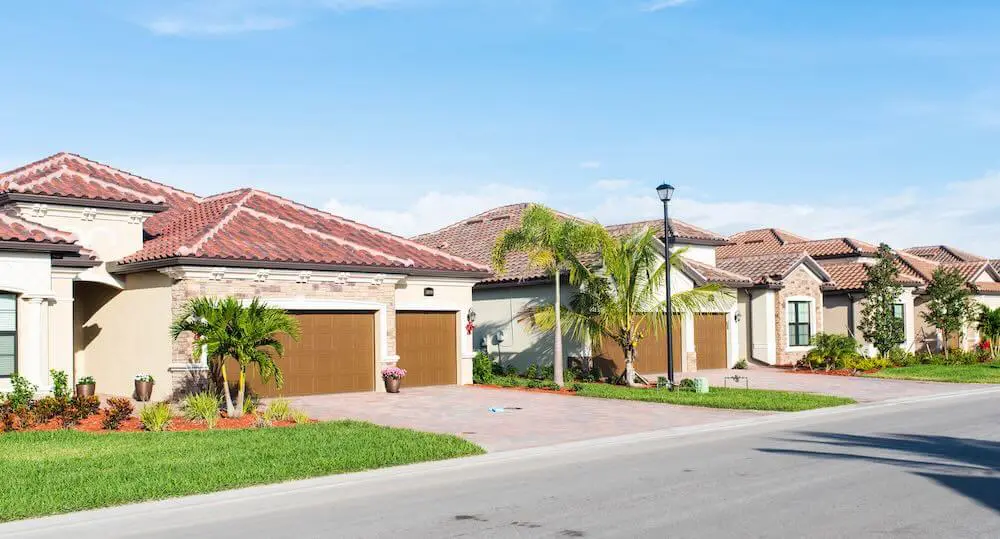
Your home’s exterior is the first thing anyone sees: neighbors, visitors, potential buyers, and even passersby. And whether you’re planning to sell or simply want to take pride in how your home looks, curb appeal matters. A fresh coat of paint can absolutely transform how your property is perceived, but only if the color is working for you, not against you.
Choosing an exterior paint color isn’t just about personal taste. It’s a strategic decision that affects home value, neighborhood aesthetics, and how well your home stands up to sun, moisture, and time. Understanding how to choose exterior paint colors for curb appeal requires looking beyond swatches and trends to find a palette that complements your home’s structure, fixed features, and local environment.
Before making a decision, consider these essential elements to ensure your paint adds real value, not just a temporary refresh.
Start with Your Home’s Architectural Style
Every home tells a visual story, and color plays a huge part in how that story is interpreted. That’s why one of the most important steps in choosing exterior paint colors for curb appeal is understanding what works with your home’s architecture, not just what looks trendy on a paint chip.
The shape, materials, and details of your home offer strong clues about which color palettes will feel natural, balanced, and timeless. Professionals use these features as a starting point to ensure the final result doesn’t just stand out but stands out for the right reasons.
Here’s how architectural style should influence color choice:
- Coastal or beach-style homes: Soft blues, whites, warm grays, or sandy tones often complement the light, airy feel and weathered materials of these homes.
- Mid-century modern: These clean-lined homes often look best with bold contrasts, think crisp white walls with black trim, or earthy neutrals with a modern pop of color.
- Mediterranean or stucco homes: Natural earth tones like terracotta, warm beige, and soft browns feel authentic and complement tile roofs and textured exteriors.
- Traditional or colonial styles: Classic combinations like navy and white, taupe and cream, or muted green with ivory trim help preserve the timeless charm of these structures.
- Contemporary builds: Charcoal, deep navy, or muted olive greens can work well when balanced with warm wood or stone accents.
A professional painting contractor will always consider these factors before recommending any color, because what works on one home can look out of place on another, even in the same neighborhood.
Consider the Fixed Elements You Can’t Change
While it’s easy to get excited about picking paint colors, one of the smartest moves is to step back and look at what won’t be changing. Elements like your roof, brickwork, stone features, pavers, and even landscaping can all influence which exterior colors will work and which ones won’t.
These fixed features create a visual framework that your paint needs to complement, not compete with. Professional painters always evaluate these details first so that the new color palette feels integrated and intentional, not like an afterthought.
Fixed elements that should guide your color choice include:
- Roofing material and color: Shingles or tile roofs often have undertones like red clay, cool gray, or brown that can clash with the wrong wall color.
- Brick or stone facades: These elements add texture and natural color variation. Choose paint that highlights rather than competes with them.
- Driveways and walkways: Pavers, stamped concrete, or stonework influence whether warm or cool tones will look best.
- Fencing, gates, or railings: These permanent structures can be used as accents or matched with trim colors for cohesion.
- Surrounding landscape: Bold greens from palms, lawns, or natural plantings can enhance earthy tones or soften crisp whites.
Working within the boundaries of what already exists not only creates harmony, it also saves money by reducing the need to repaint or replace other features down the road.
Choose a Balanced Palette: Body, Trim, and Accent
A well-designed exterior color scheme is rarely just one color. To create depth, dimension, and curb appeal that really stands out, professional painters use a three-part palette: body, trim, and accent. Each part plays a different role, and together, they create a polished and cohesive look.
This balance is especially important for Florida homes, where bold sun and vibrant landscaping can easily overpower a color scheme if not carefully considered.
The three elements of a balanced exterior palette:
- Body (main color): This is the dominant color used on the majority of the home’s exterior surfaces. Choose a shade that complements your home’s architecture and fixed elements. For example, soft taupe or warm gray often works well on stucco or cement board exteriors in Southwest Florida.
- Trim (secondary color): This includes window frames, fascia boards, and other architectural details. Trim can either contrast with or subtly highlight the body color, depending on the desired effect. Crisp white trim is a timeless choice, but muted contrast tones can add a modern edge.
- Accent (tertiary color): This is where you can add personality without overwhelming the home. Think front doors, shutters, or porch ceilings. A bold color like navy, black, or even a rich green can draw the eye and add character.
The key to curb appeal is not just choosing attractive colors, but making sure they work together as a cohesive visual system. That’s where a professional eye makes all the difference.
Test in Natural Light and Think Long-Term
Even the perfect paint color on paper can look completely different once it’s on the wall, and that’s especially true in Florida’s intense, ever-changing light. That’s why the final step in selecting exterior paint is not picking the color, but testing it.
Professional painters understand that sunlight, shade, time of day, and even reflective surfaces like water or pavement all affect how a color is perceived. What looks warm and neutral in a showroom may turn pinkish or overly bright outdoors.
Before finalizing your color, here’s what professionals recommend:
- Test large samples directly on your home’s exterior: Apply swatches to multiple sides of the home to see how light affects each area throughout the day.
- Observe morning, midday, and evening light: Some colors may glow in the evening but look washed out at noon. Choose a color that performs well in all conditions.
- Check against surrounding elements: Stand back to see how the test area interacts with roofing, stonework, landscaping, and neighboring homes.
- Account for sun exposure and fading: Florida’s UV intensity means some colors fade faster than others. A pro can guide you toward fade-resistant finishes that maintain their tone over time.
- Use high-quality, exterior-grade paint: Even the best color won’t last if applied with low-quality materials. Professional products are designed to hold up under heat, moisture, and salt exposure.
Color testing isn’t just a preference; it’s part of the process that ensures your home looks great not just this season, but for years to come.
Curb Appeal Is a Strategic Choice
Choosing the right exterior paint colors isn’t about following trends or picking your favorite shade of blue it’s about creating a visual impact that’s cohesive, lasting, and uniquely tailored to your home. When done right, paint doesn’t just freshen up a house. It highlights the architecture, respects the surrounding elements, and makes the property feel thoughtfully maintained.
Whether you’re preparing to sell or simply want your home to make a stronger first impression, choosing the right exterior paint color for curb appeal is the key. Consider the full picture: architectural style, fixed features, balanced palettes, natural light, and long-term performance.
If you’re not sure where to start or want to avoid costly do-overs, a professional painter can help you narrow your options with confidence and ensure the final result looks just as good in real life as it did in your head.
When you’re ready to refresh your home’s exterior, work with a team that sees color not just as decoration but as design with purpose.