How Long Does Exterior Paint Last on a House in Southwest Florida?
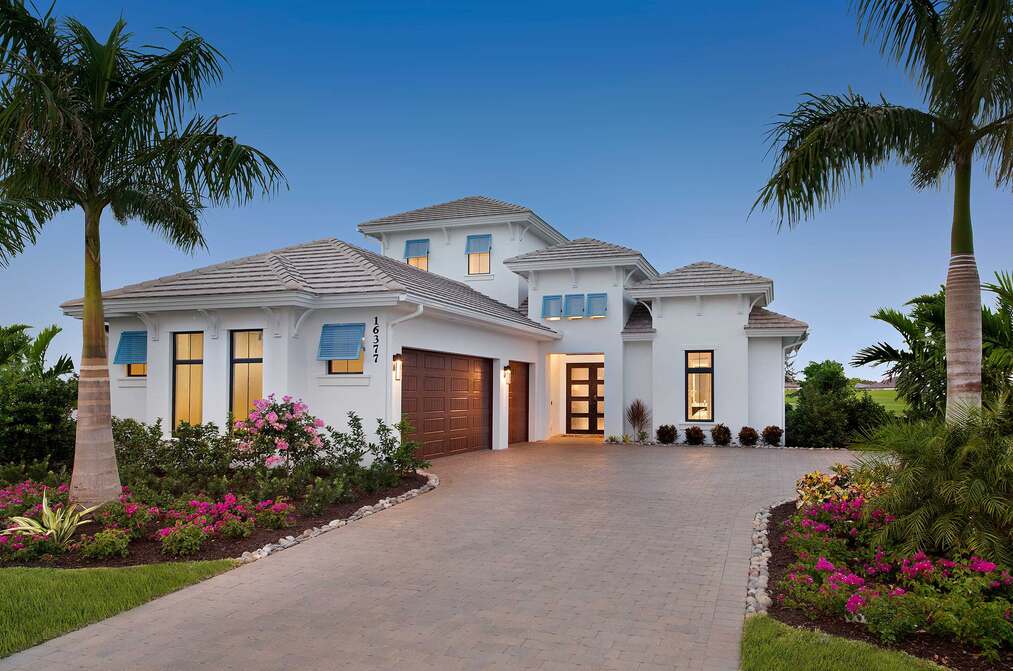
If you live in Southwest Florida, you know your home’s exterior battles more than just time. The blistering sun, constant humidity, salt air, and unpredictable storms all take a toll on paint. While many paint manufacturers promise 8–10 years of durability, real-world conditions in coastal Florida often tell a different story.
We hear it often from homeowners in Fort Myers, Cape Coral, and Naples: “Why is my paint already fading or peeling?”
In this post, we’ll break down how long exterior paint really lasts on a house in Southwest Florida, what factors affect it, and how you can extend the life of your investment with the right products and professional prep.
Typical Lifespan of Exterior Paint (In Ideal vs. Florida Conditions)
In general, a professionally painted home using high-quality products can expect an exterior paint lifespan of 7 to 10 years under ideal conditions. But Southwest Florida doesn’t offer ideal conditions.
Here’s how different surfaces typically perform:
- Wood siding: 3–7 years
- Stucco: 5–8 years
- Fiber cement board or vinyl: 7–10 years (with proper paint and prep)
Now factor in Florida’s climate, and those numbers often drop. In areas with full sun exposure, coastal breezes, or daily humidity, you may start to see signs of wear as early as year 3–5, especially if the paint was low-quality or applied over a poorly prepped surface.
Even top-tier paint brands won’t hold up their full lifespan if they’re applied over dirty, chalky, or cracked surfaces.
Professional painters don’t just slap on a coat of paint. They take time to evaluate the surface, fix underlying problems, and use weather-resistant, Florida-grade products designed for the region.
Climate Factors That Speed Up Paint Failure in Southwest Florida
Living near the coast has its perks, but it also creates a perfect storm for premature paint failure. Even the best exterior paint will degrade faster if it’s constantly battling Florida’s environmental elements.
Here are the biggest local culprits:
- UV Radiation and Intense Sunlight: Southwest Florida gets more than 260 sunny days a year. That constant UV exposure breaks down the chemical bonds in paint, causing colors to fade, surfaces to chalk, and binders to degrade.
- Salt Air from the Gulf: If you’re anywhere near the coast, salt in the air can accelerate the breakdown of paint film and corrode metal fixtures underneath. You don’t have to be beachfront to feel the effects.
- Humidity and Moisture: High humidity levels cause wood and other porous materials to expand and contract. This movement can lead to cracked paint and allow water to seep in, especially where prep work was poor.
- Heavy Rain and Tropical Storms: Seasonal downpours and high winds don’t just challenge your roof—they also wash away protective paint layers, especially on improperly sealed trim or fascia boards.
- Temperature Fluctuations: While Florida doesn’t have freezing winters, rapid temperature shifts—particularly on exterior walls exposed to direct sun—can cause thermal expansion that leads to bubbling or peeling.
In short, Florida’s climate is relentless on your home’s exterior. That’s why choosing the right paint system—and the right contractor—is critical.
What Determines Paint Longevity on Your Home
Not all paint jobs are created equal. Beyond climate, several other factors influence how long exterior paint lasts on a house, especially in Southwest Florida.
Here’s what makes the biggest difference:
- Quality of Paint Products: Higher-end paints contain more pigment and resin, which means better UV resistance, color retention, and overall durability. Brands specifically designed for coastal or high-humidity climates will hold up longer. At Seaside Coatings, we use premium, weather-tested paints that are formulated for Florida conditions.
- Prep Work and Surface Condition: Proper surface preparation is one of the most important predictors of paint longevity. If old paint isn’t scraped, if cracks aren’t patched, or if mildew isn’t treated, even the best paint will fail early.
Tip: Ask your contractor if their process includes power washing, sanding, caulking, and priming as standard.
- Color Choice: Darker colors absorb more heat, causing the paint to break down faster, especially on sun-facing walls. Lighter colors reflect heat and tend to fade less over time, making them a better choice for homes in hot climates like Cape Coral or Bonita Springs.
- Application Technique: Professional painters know how to apply the right number of coats and the proper paint thickness for optimal performance. Uneven or thin coats are more likely to blister or peel.
- Sun and Weather Exposure: South- and west-facing walls get more direct sunlight and typically degrade faster. Homes with little tree cover or no shade will see faster paint wear than those with natural protection.
Each of these factors contributes to the lifespan of your exterior paint. The more boxes you check—quality paint, skilled prep, smart color, and expert application—the longer your finish will last.
When to Repaint: Signs It’s Time for a Fresh Coat
Even with great paint and solid prep, all homes eventually need a refresh. The key is knowing when to repaint—before minor issues turn into costly repairs.
Here are the top signs it’s time to call a professional:
- Fading or Uneven Color: If your home’s color looks dull, washed out, or inconsistent in areas that get more sun, it’s a clear sign that UV rays have taken their toll.
- Chalking Paint: Run your hand along a painted surface—if you notice a powdery residue, your paint is breaking down. Chalking is often the last warning before peeling begins.
- Peeling, Bubbling, or Cracking: These aren’t just cosmetic—they mean water or sun is getting underneath the surface. Left unchecked, it can damage the underlying material, especially on wood or stucco.
- Exposed Substrate or Previous Layers: If you can see bare stucco, wood grain, or peeling layers of older paint, your home is no longer protected from the elements.
- Mildew or Mold Growth: Spots of mildew are common in humid areas like Southwest Florida. But once they begin to spread, they indicate the paint’s protective qualities have failed.
Pro tip: You don’t need to wait until your home is in rough shape to repaint. In fact, scheduling a refresh every 5–7 years (or sooner for high-exposure areas) can prevent structural issues and save money in the long run.
Quality Paint + Professional Prep = Longer-Lasting Results
So, how long does exterior paint last on a house in Southwest Florida? The honest answer: it depends on the paint you choose, the prep you invest in, and how well your home is protected from the elements.
In ideal conditions with premium products and expert application, you can expect 7–10 years. But here in Fort Myers, Naples, or Cape Coral, 5–7 years is more realistic, especially on walls that face direct sun or salt air.
The good news? You can extend that lifespan with:
- UV- and mildew-resistant paint
- Thorough surface preparation
- Smart color and finish choices
- Routine inspections and touch-ups when needed
At Seaside Coatings, we specialize in helping Southwest Florida homeowners get maximum value and protection from every exterior paint job. Whether you’re overdue for a repaint or just unsure if your current coating is holding up, we’re here to help.
Ready to assess your home’s exterior? Request a free estimate or speak with our team to schedule a professional evaluation.