
What Rooms Should You Paint First When Updating Your Home?
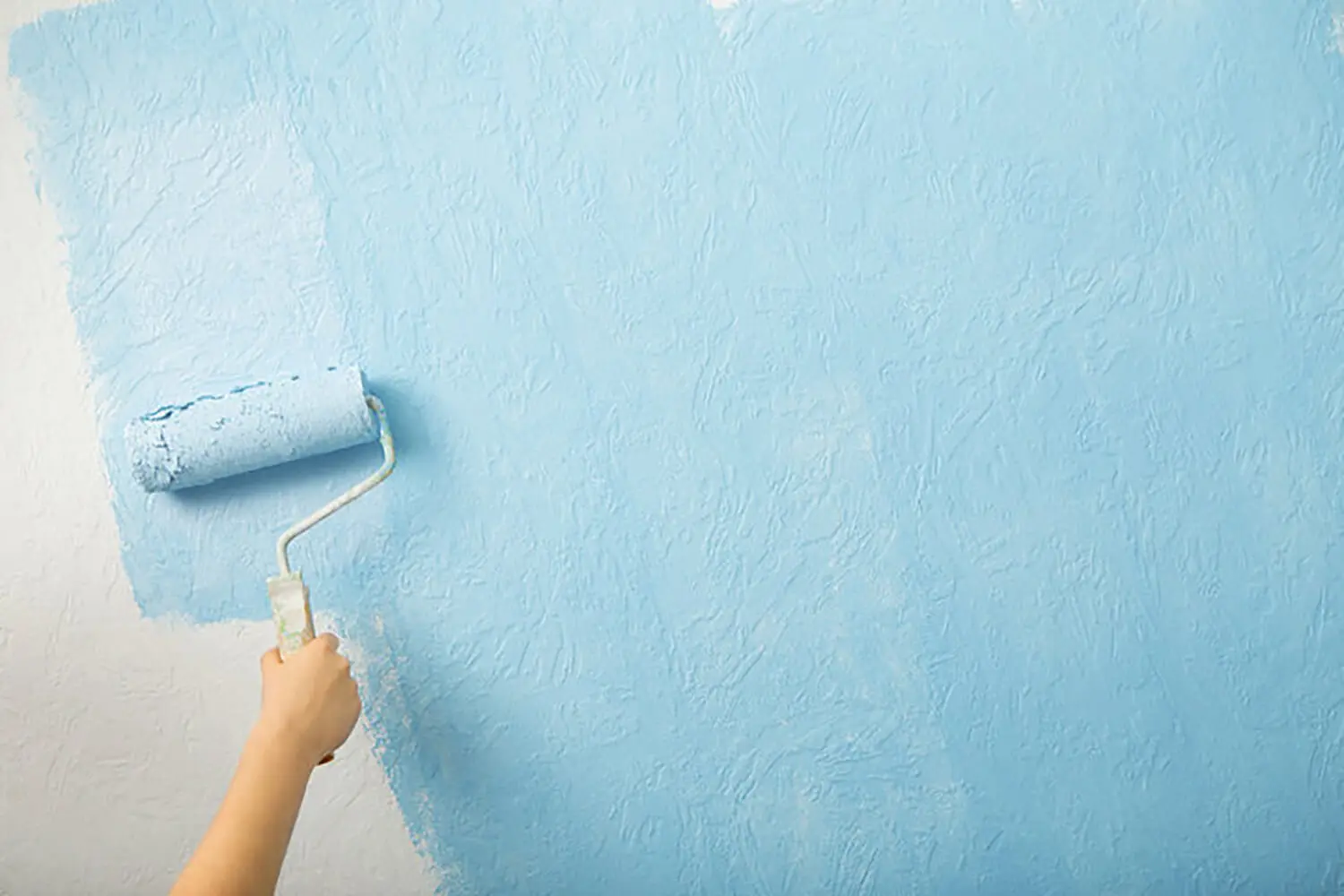
Deciding what rooms should you paint first can feel surprisingly stressful, especially when you’re trying to balance budget, timing, and how much disruption you can tolerate in your daily life. Many homeowners know their home needs a refresh, but get stuck at the starting line, unsure whether to begin with the most visible spaces, the most worn rooms, or the areas they use most often. That uncertainty often leads to delays or projects that feel unfinished.
Painting is one of the fastest ways to change how a home looks and feels, but the order you tackle rooms matters more than most people expect. Start in the wrong place, and you may feel like the update didn’t make much difference. Start in the right place, and the entire home can feel cleaner, brighter, and more cohesive almost immediately.
This checklist is designed to help you make that decision with confidence. It breaks down how homeowners typically prioritize rooms, what factors actually matter when choosing rooms to paint first, and how to think through an interior painting order that fits your lifestyle, goals, and budget. By the end, you’ll have a clear framework for deciding where to start instead of guessing or putting the project off altogether.
Start With High-Traffic Rooms That Show Wear First
High-traffic rooms are usually the smartest place to begin because they show wear faster than any other part of the home. These are the spaces where people walk through daily, brush against walls, and notice imperfections without even trying. Scuffs, fingerprints, fading, and small dents tend to build up here, making the entire home feel more worn than it really is.
From a practical standpoint, repainting these areas delivers immediate visual payoff. Even if the rest of the house stays the same, refreshed high-traffic rooms can make the whole interior feel cleaner and more updated. They also set the tone for how guests perceive your home, which matters whether you’re hosting regularly or simply want a better first impression.
These rooms are often central connectors between other spaces. Improving them early helps everything else feel more intentional, rather than like isolated upgrades.
Living Rooms and Family Rooms
Living rooms and family rooms tend to be some of the most visible and heavily used spaces in the home. They’re where people gather, relax, and entertain, which means walls take a lot of abuse over time.
Common issues include faded paint, smudges near seating areas, and marks from furniture or kids’ activities. Because these rooms are visually dominant, repainting them often makes the biggest immediate difference in how updated the home feels.
Hallways and Entryways
Hallways and entryways experience constant foot traffic and frequent wall contact, especially near corners and doorways. These areas often look tired long before other rooms do.
Repainting entryways creates a cleaner, more welcoming first impression, while refreshed hallways help the home feel better maintained overall. Using durable finishes here can also help the paint hold up longer against daily wear.
Paint Kitchens and Bathrooms Early to Address Moisture and Stains
Kitchens and bathrooms often need attention sooner than other rooms because they deal with conditions that are tough on paint. Heat, humidity, steam, grease, and frequent cleaning all contribute to faster breakdown, discoloration, and peeling. Even if these rooms don’t look terrible at first glance, worn paint can make them feel dingy or outdated.
Starting with these spaces helps address problems before they get worse, which is why repaint timelines often come up in the interior painting FAQ. Fresh paint can brighten the room, improve the perception of cleanliness, and make the space feel more comfortable to use every day. It also allows you to correct issues caused by moisture or improper finishes before they lead to repeated touch-ups.
Because kitchens and bathrooms are functional spaces, updating them early can improve daily routines rather than waiting until the end of a larger project.
Kitchens
Kitchens are exposed to cooking grease, splashes, and frequent wiping, especially near stoves, sinks, and prep areas. Over time, paint can become dull, stained, or uneven in these spots.
Repainting the kitchen can dramatically improve how clean and bright the space feels. Color choice plays a big role here, as lighter or well-balanced tones can reflect light and make the room feel more open. Choosing the right finish is equally important, since kitchens need paint that can handle regular cleaning without breaking down.
Bathrooms
Bathrooms deal with constant moisture from showers and baths, which can quickly damage paint if it isn’t suited for humid conditions. Peeling, bubbling, and discoloration are common signs that the paint is no longer doing its job.
Repainting bathrooms with proper materials helps protect walls from ongoing moisture exposure. It also gives the room a fresher, more comfortable feel and reduces the chances of recurring paint problems that require repeated fixes.
Prioritize Bedrooms Based on Comfort and Personal Use
Bedrooms are often more flexible in the interior painting order because they don’t usually see the same level of wear as shared spaces. That said, comfort and personal use still matter, and there are times when painting a bedroom sooner makes sense.
For many homeowners, bedrooms are lower priority simply because they’re private. Guests don’t see them as often, and wear tends to be limited to small areas. This makes them easier to postpone if you’re trying to maximize impact early in the project.
However, repainting bedrooms can significantly improve comfort. Fresh paint can make the space feel calmer, cleaner, and more personal, which directly affects how well you relax and sleep. If a bedroom has outdated colors, visible scuffs, or patchy touch-ups, it may deserve attention sooner than expected.
Master bedrooms are often painted earlier than guest rooms because they’re used every day. Children’s bedrooms may also move up the list if walls show heavy wear from daily activity, furniture movement, or changing preferences over time.
Consider Painting Before Major Flooring or Renovation Projects
When planning multiple home updates, paint timing matters more than most homeowners realize. Painting before major flooring or renovation projects often saves time, money, and frustration later.
Paint work can involve ladders, drop cloths, tools, and the occasional drip or scuff. Doing this after new flooring is installed increases the risk of damage and usually requires extra protection, which adds cost and complexity. Starting with paint helps protect your investment in newer finishes.
Painting first also makes it easier to coordinate other upgrades. Wall colors influence how flooring, cabinetry, and fixtures look once they’re installed. Completing paint early allows you to make better decisions about materials and finishes without working around freshly installed surfaces.
For larger renovation plans, handling paint upfront helps the project move more smoothly. It reduces rework, minimizes delays, and keeps the overall update feeling organized instead of piecemeal.
Adjust Room Priority Based on Budget and Timeline
Budget and timing play a major role in deciding which rooms come first. Most homeowners aren’t painting their entire home at once, so prioritization helps you get the most value from each phase of the project.
If funds are limited, it makes sense to focus on rooms where paint finishes matter most for durability and appearance. These are typically the spaces you use every day or the areas that look the most worn. Painting strategically can make the home feel updated even if only part of it has been completed.
Timelines matter too. Some rooms are easier to paint quickly with minimal disruption, while others require more preparation or downtime. Breaking the project into manageable phases keeps it from feeling overwhelming and allows you to schedule work around daily routines.
Common approaches homeowners use include:
- Painting one level of the home at a time
- Grouping connected rooms to maintain visual consistency
- Prioritizing rooms that affect daily comfort or first impressions
By aligning room order with your budget and schedule, the project feels more controlled and achievable instead of rushed or unfinished.
How to Create a Room-by-Room Painting Order That Fits Your Home
Creating a clear interior painting order starts with taking an honest look at how your home is used. Every household is different, so the right sequence depends on traffic patterns, room condition, and what matters most to you day to day.
A simple way to start is by walking through your home and noting which rooms feel the most worn or outdated. Pay attention to scuffs, fading, and areas that no longer match the rest of your space. These visual cues often point to where paint will make the biggest impact first.
It also helps to ask a few practical questions:
- Which rooms do we use every day?
- Where do guests spend the most time?
- Which spaces feel tired or neglected?
- Are there upcoming projects that affect timing?
Balancing function with personal preference is key. Some homeowners prioritize visibility, while others focus on comfort or maintenance issues. Preparing your space ahead of time also makes it easier to create a logical, efficient painting sequence that fits your home.
A Clear Painting Order Helps You Update Your Home With Confidence
When you step back and look at the full picture, choosing the right painting order is less about rules and more about intention. Starting with rooms that show wear, affect daily comfort, or influence first impressions allows your effort and budget to go further. Instead of feeling like you’re constantly chasing unfinished projects, each phase builds visible progress.
Understanding what rooms should you paint first helps you avoid common frustrations, like repainting spaces too late or wishing you had started elsewhere. High-traffic areas, moisture-prone rooms, and heavily used spaces usually deserve priority, while bedrooms and lower-impact rooms can often wait until later. Thinking through timing, budget, and how your home functions day to day leads to smarter decisions and a smoother experience.
A clear plan also makes the project feel manageable. Whether you’re updating one room at a time or planning a larger refresh, having a defined order keeps everything organized and reduces second-guessing along the way.
If you’re still deciding where to begin, Seaside Coatings can help you create a clear, stress-free painting plan that fits your home and your budget. Our interior painting services help homeowners prioritize the right rooms, choose durable finishes, and schedule the work efficiently. Reach out today to schedule a consultation and get expert guidance before you start painting, so your update feels intentional, not overwhelming.