How to Touch Up Paint Without Leaving Marks
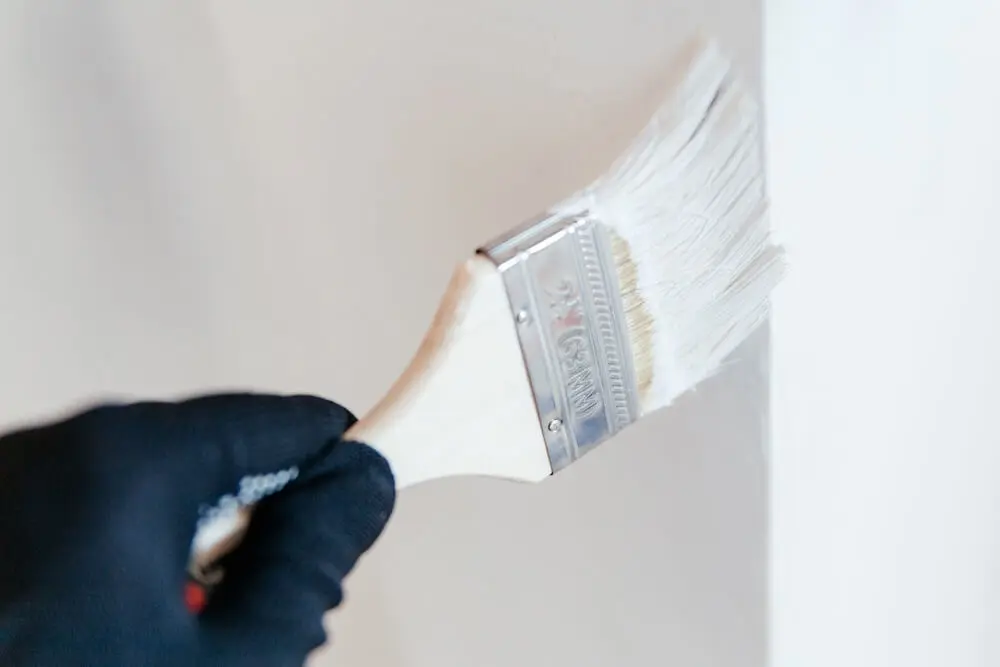
It starts with a scuff, a scratch, or a spot where the paint’s worn thin. Reaching for the leftover can of paint seems like a fast fix—until the fresh patch dries and stands out like a sore thumb. If you’ve ever tried to handle minor wall repairs yourself, you’ve likely learned that how to touch up paint without leaving marks is trickier than it sounds.
Color mismatch, texture differences, and lighting changes can all make touch-ups more noticeable than the original blemish. In this post, we’ll walk through why that happens, how professionals handle it, and when a full repaint may be the smarter move.
Why Touch-Ups Are So Difficult to Get Right
Touching up interior paint sounds simple—until the patch dries and leaves a glaring mark. That’s because wall color, texture, and sheen all shift subtly over time. Even a perfect paint match can fall short if the application method or wall condition has changed. Below are the key reasons touch-ups often go wrong, broken down for clarity.
Paint Fades and Ages Over Time
Even unopened cans of leftover paint won’t look identical once applied next to an older wall.
- Sunlight exposure breaks down pigments, especially in bright rooms with large windows.
- White or light tones can yellow subtly over time, changing the wall’s tone.
- Airborne pollutants like cooking residue or smoke can darken walls without being obvious—until fresh paint makes the contrast stand out.
Application Method Changes Texture
How the paint goes on has a big impact on how it looks once it’s dry.
- Original paint may have been sprayed, rolled, or brushed—touching up with a different method creates a noticeable texture difference.
- Even roller nap or brush size can change the way paint lays across the wall.
- Paint applied with inconsistent pressure often dries with ridges or thicker edges, creating “flashing” where light hits.
Sheen and Finish Don’t Match Exactly
A perfect color match still won’t blend if the gloss level is off.
- Satin and eggshell finishes are notoriously hard to replicate after drying.
- Touch-ups can appear shinier due to fresher paint or uneven coverage.
- Flashing—a shiny patch that appears under certain lighting—is common when finish types mismatch.
Wall Conditions Have Changed Since the Original Job
Over time, the wall itself absorbs oils, dust, and cleaning products that affect paint adhesion.
- Cleaning agents or grease can create slick patches where new paint won’t bond well.
- Drywall damage, dents, or pitting may have occurred since the wall was first painted.
- Unseen moisture issues in kitchens, bathrooms, or near windows can interfere with the new coat’s durability and appearance.
Because of these variables, attempting a quick patch without expert guidance can often make things worse. In the next section, we’ll look at the detailed process professionals follow to ensure seamless, invisible touch-ups.
Steps Professionals Use to Avoid Visible Touch-Ups
When done correctly, a paint touch-up blends invisibly into the surrounding surface. But achieving that clean, undetectable finish isn’t about luck—it’s about process. Professional painters follow a careful sequence that takes into account the wall’s condition, the original application, and environmental factors like lighting and humidity. Below is a breakdown of how experts handle small-area painting while avoiding telltale marks.
Evaluate the Wall’s Condition First
Before applying any paint, a pro inspects the wall closely to understand what’s changed since the original job.
- Check for fading, discoloration, or yellowing in sunlit or humid areas.
- Look for minor damage, scuffs, or texture differences that may need repair.
- Identify stains or buildup from hand oils, cooking residue, or smoke that could prevent new paint from adhering.
If there’s too much damage or fading, the expert may recommend repainting the full wall or surface for a cleaner blend.
Use the Same Paint, Finish, and Application Tool
To match the original finish, consistency is key. Professionals don’t just use the same color—they replicate how the paint was first applied.
- Retrieve leftover paint from the original job, if possible.
- Match the finish (flat, eggshell, satin, etc.) to avoid sheen inconsistencies.
- Use the same application method—roller, brush, or sprayer—and tool size. A brush used in place of a roller will almost always leave visible texture changes.
When original paint isn’t available, a color-matching tool may help—but even then, a test patch is essential.
Feather and Blend—Never Dab or Spot Paint
One of the biggest mistakes in DIY touch-ups is applying paint only to the scuffed area. Pros instead blend new paint into the old using a technique called feathering.
- Apply thin coats that extend beyond the damaged area.
- Use a light crosshatch motion with a dry roller or brush to diffuse the paint edges.
- Let each layer dry before evaluating coverage and applying another.
The goal is to create a soft transition so the new paint fades into the surrounding wall—not stands apart from it.
By following this process, professional painters prevent the most common touch-up issues—like flashing, texture mismatches, and uneven edges. It’s not just about covering the mark—it’s about restoring the finish so it looks like nothing ever happened.
Common Situations Where Touch-Ups Fail
Some wall conditions make seamless paint repairs nearly impossible. Even with the right paint, these scenarios often lead to visible patches:
- Glossy finishes: High-sheen paints highlight any variation in application or texture.
- Aging paint: Walls painted over five years ago tend to fade or yellow, making new paint stand out.
- Busy areas: High-traffic zones like hallways or kitchens often have multiple marks—making a single touch-up ineffective.
- Improper prep: Surfaces that weren’t cleaned or primed properly won’t hold fresh paint evenly.
- Inconsistent lighting: Changes in natural or artificial light can exaggerate color or sheen differences after the fact.
When these conditions apply, touch-ups usually call more attention than they fix—making a professional repaint the smarter choice.
Why Call a Pro Instead of Doing It Yourself
When it comes to touch-up work, professional painters aren’t just faster—they’re more precise, better equipped, and trained to deliver seamless results. Their approach helps prevent the most common issues that make DIY patches stick out.
- They assess the full surface: Pros evaluate aging, lighting, and finish—not just the mark itself—to decide if a touch-up is even viable.
- They use matching tools and techniques: From roller nap to feathering motion, they replicate the original method so the finish blends cleanly.
- They handle prep properly: A pro will clean, repair, and prime as needed, which improves adhesion and finish consistency.
- They use higher-grade products: Professional-grade paints offer better coverage and durability—important for small-area blending.
- They offer honest recommendations: If a touch-up won’t work, they’ll suggest the most cost-effective repaint approach rather than waste time or material.
Touching up paint without leaving a mark is harder than it looks—so it’s worth calling an expert before taking on what seems like a “small fix.”
Seamless Touch-Ups Require Expert Technique
Touching up interior paint may seem like a simple fix, but achieving a smooth, invisible result takes more than a steady hand. From sheen and lighting to paint age and surface prep, several factors make it hard to replicate a flawless finish without leaving a visible mark.
Learning how to touch up paint without leaving marks requires the right products, matching tools, and refined technique—skills that professional painters apply every day. Whether you’re addressing minor scuffs or prepping for guests, calling in an expert ensures your walls look polished, not patched.
Not sure if a touch-up or repaint is the better route? Schedule a professional evaluation to get expert insight, color matching, and long-lasting results—without the guesswork.