
How to Choose Interior Paint Finishes for High-Traffic Areas
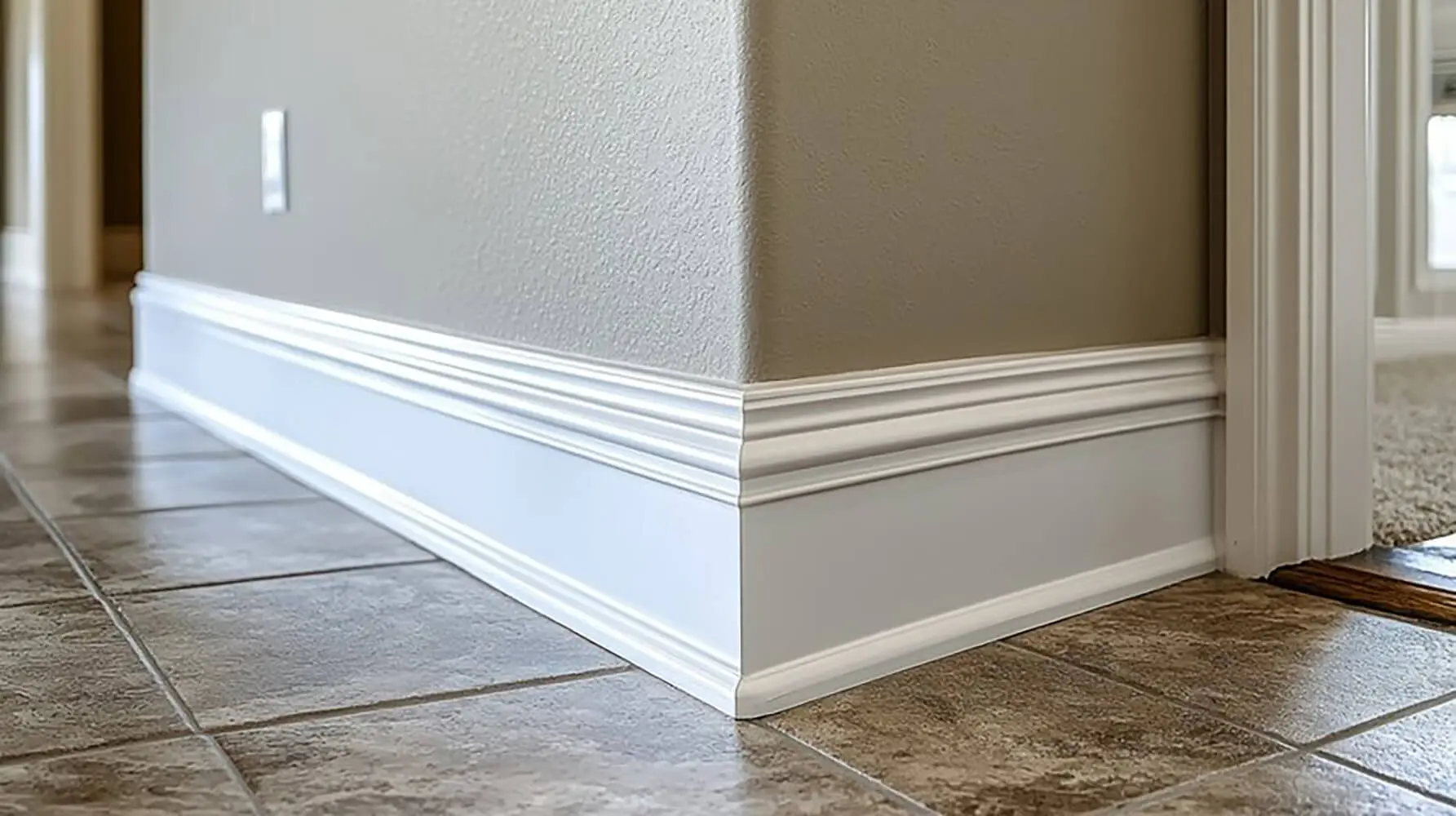
Paint that looks great on day one doesn’t always hold up once real life sets in. Hallways, staircases, entryways, and family rooms see constant contact from hands, shoes, pets, furniture, and frequent cleaning. When the wrong paint finish is used in these areas, walls can quickly show scuffs, dull patches, fingerprints, or uneven sheen that makes the space feel worn long before it should.
This is where many homeowners get stuck. The paint color may be right, but the finish choice often feels confusing or overly technical. Flat, eggshell, satin, and semi-gloss can all sound similar on a paint chip, yet they behave very differently once they’re on the wall. Choosing the wrong one can make everyday wear far more noticeable and maintenance more frustrating.
Understanding how to choose interior paint finishes for high-traffic areas helps prevent those problems before they start. The right finish can make walls easier to clean, help paint wear more evenly, and keep busy spaces looking intentional instead of tired. This guide breaks down what high-traffic areas actually demand from paint, how different finishes respond to daily use, and how to make a confident choice based on how each room is used, not just how it looks.
What “High-Traffic” Really Does to Interior Paint
High-traffic areas don’t just experience more movement. They experience repeated contact in the exact same places, and that’s what breaks paint down visually over time.
In busy parts of the home, walls are exposed to constant friction and touch. Hands slide along stairwells, shoulders brush hallway walls, furniture clips corners, and pets rub against lower sections. On top of that, these areas tend to get cleaned more often, which adds another layer of wear that paint finishes have to withstand.
This kind of use creates predictable patterns. You’ll often see shiny patches where hands frequently touch the wall, dull areas where cleaning has worn the finish down, or uneven sheen where the surface reflects light differently from one section to the next. These changes can make walls look dirty or worn even when they’re technically clean.
Most of the time, this isn’t a paint failure in the traditional sense. The paint isn’t peeling or cracking. The problem is that the finish wasn’t designed to handle repeated contact and maintenance. As a result, everyday use becomes visible much faster.
That distinction matters. High-traffic areas don’t require stronger paint in a generic way. They require finishes that can resist friction, tolerate cleaning, and age evenly. Once you understand how daily use actually affects painted surfaces, it becomes easier to choose finishes that stay consistent and look intentional in busy spaces.
Why Paint Finish Matters More Than Paint Brand
When paint doesn’t hold up in high-traffic areas, the problem is rarely the brand itself. Most performance issues come from how the finish reacts to daily use once the space is actually lived in.
Paint finish determines several key behaviors at the surface level. It affects how easily marks can be cleaned, how well the paint resists friction from repeated contact, how visible wear patterns become over time, and how much regular maintenance the surface can tolerate without changing appearance.
Higher-sheen finishes tend to release dirt and smudges more easily and handle frequent wiping with less visible wear. Lower-sheen finishes are more likely to absorb marks, show burnishing, or look uneven after repeated cleaning. These differences show up regardless of whether the paint is a budget option or a premium product.
Brand quality still matters, but it comes after the finish choice. Even premium flat paint struggles in busy hallways, while mid-range satin or semi-gloss often performs better due to finish choice.
This is why choosing interior paint finishes for high traffic rooms works best when you focus first on how the finish will behave day to day. Once that decision is made, selecting a paint brand becomes a supporting choice rather than the main factor.
How Different Finishes Perform Under Daily Use
Not all paint finishes respond to wear the same way, and finding the right high-traffic paint can make a big difference. In high-traffic areas, the differences between finishes become obvious fairly quickly, especially once cleaning and repeated contact are involved.
- Flat and matte finishes absorb light and hide surface imperfections well, but they tend to show scuffs easily and don’t tolerate frequent cleaning. Repeated contact can leave shiny burnished spots that are difficult to touch up evenly.
- Eggshell finishes offer a slight sheen that improves cleanability without looking glossy. They handle light traffic better than flat paint, but in very busy areas they can still show wear over time, especially in spots that get wiped often.
- Satin finishes strike a stronger balance between durability and appearance. They resist marks better, clean more easily, and tend to wear more evenly, which is why they’re commonly used in hallways, family rooms, and staircases.
- Semi-gloss and higher-sheen finishes provide the most resistance to moisture, friction, and cleaning. They hold up well in demanding areas, but the increased shine can highlight wall imperfections and feel visually strong if used too broadly.
Understanding how these finishes behave in real conditions makes it easier to narrow your options. The goal isn’t to use the toughest finish everywhere, but to match durability to how much daily use each space gets.
Choosing the Right Finish Based on the Room’s Behavior
High-traffic doesn’t look the same in every part of the home, which is why the “best” finish depends on how each space is actually used rather than how it’s labeled.
Some rooms have constant movement with little wall contact, while others see repeated touching, bumping, and cleaning. A hallway with constant contact behaves differently than a living room where traffic spreads out and furniture absorbs impact.
Finish selection works best when you think in terms of use patterns:
- Hallways, staircases, and entryways benefit from finishes that resist friction and clean easily because contact happens repeatedly in narrow paths.
- Family rooms and common living areas often do well with finishes that balance durability and appearance since wear is spread out rather than concentrated.
- Kids’ spaces and pet-heavy areas need finishes that tolerate frequent wiping without showing dull spots or uneven sheen.
- Lower wall sections and corners often require more durability than upper walls due to bags, shoes, and furniture contact.
This is where many homeowners run into trouble by choosing a single finish for the entire home. While it simplifies the decision, it rarely aligns with how different rooms are used. Matching the finish to the room’s behavior allows busy areas to stay consistent over time without forcing overly shiny or visually harsh finishes into quieter spaces.
Thinking this way shifts the decision from “What finish do I like?” to “What finish will age best here?” which leads to fewer visible issues down the line.
How Lighting and Wall Condition Influence the Final Result
Paint finish doesn’t exist in isolation. Lighting and wall condition play a major role in how a finish looks once it’s on the wall, especially in high-traffic areas where wear becomes more noticeable.
Light affects sheen more than most people expect. Natural light and strong overhead lighting make reflective finishes stand out, which can exaggerate texture, patching, or uneven surfaces. In darker spaces or rooms with softer lighting, the same finish can appear calmer and more uniform. This is why a satin finish can feel balanced in one hallway but overly shiny in a sun-filled space.
Wall condition matters just as much. Higher-sheen finishes reflect more light, which makes dents, sanding marks, and subtle drywall flaws easier to see. Lower-sheen finishes soften those imperfections but trade off durability and cleanability. In busy areas, this creates a tension between hiding flaws and resisting wear.
Prep quality often determines which finish will actually work. Well-prepared walls with smooth repairs and consistent texture can handle slightly higher sheens without visual issues. Walls with older patches, uneven texture, or visible wear usually perform better with finishes that don’t highlight surface variation.
Ignoring lighting and wall condition can lead to disappointment even when the “right” finish is chosen on paper. Accounting for both helps the finish look intentional from day one and stay consistent as the space is used.
Making a Confident Finish Choice Without Overthinking It
By the time homeowners reach this point, the challenge usually isn’t lack of information. It’s decision fatigue. With multiple finishes that could technically work, it’s easy to second-guess every option.
Professionals simplify the process by narrowing choices instead of trying to optimize every variable. Rather than asking which finish is best overall, they focus on which finish will age best in that specific space.
A practical way to approach the decision is to anchor it to a few real-world priorities that reflect common interior painting questions:
- How often the walls will be touched or cleaned
- Whether wear will be concentrated in specific areas or spread out
- How noticeable surface imperfections are under the room’s lighting
- How important softness of appearance is compared to durability
For most busy homes, this leads to a short list rather than a wide range of options. Extremely low-sheen finishes tend to fall out of favor in high-contact areas, while very glossy finishes are reserved for places where durability clearly outweighs aesthetics. That middle range, where durability and appearance overlap, often provides the most reliable long-term results.
The goal isn’t to eliminate all signs of use. In an active home, some wear is inevitable. A good finish choice simply ensures that wear happens evenly and quietly instead of standing out.
When the finish fits the space, it stops being something you notice. The walls just work, which is usually the best outcome of all.
Final Takeaway for High-Traffic Interior Spaces
Choosing the right paint finish for high-traffic areas isn’t about finding a single “best” option that works everywhere. It’s about understanding how daily use, cleaning habits, lighting, and wall condition all interact with the finish once the paint is on the wall.
Busy spaces place specific demands on paint. Repeated contact, friction, and maintenance reveal weaknesses in finishes that aren’t designed for that level of use. Focusing on how a finish behaves over time, rather than how it looks on a small sample, leads to better long-term results.
In most homes, finishes that balance durability and appearance tend to perform the best. They clean more easily, wear more evenly, and stay visually consistent as the space is lived in. Extremely flat finishes often struggle in high-contact areas, while very glossy finishes work best when durability clearly matters more than subtlety.
The most reliable approach is to match the finish to how each room is actually used instead of forcing one solution across the entire home. That mindset reduces visible wear, simplifies maintenance, and helps busy areas feel intentional rather than worn.
If you’re planning to repaint a busy area of your home and want it to hold up over time, we can help. At Seaside Coatings, we look at how each room is actually used and recommend interior paint finishes that make sense for daily wear. We focus on cleanability, durability, and a finished look that stays consistent long after the project is complete. Reach out to us to talk through your interior painting plans and get guidance tailored to your home.