
How Long Does an Exterior Painting Project Take for a Single-Family Home?
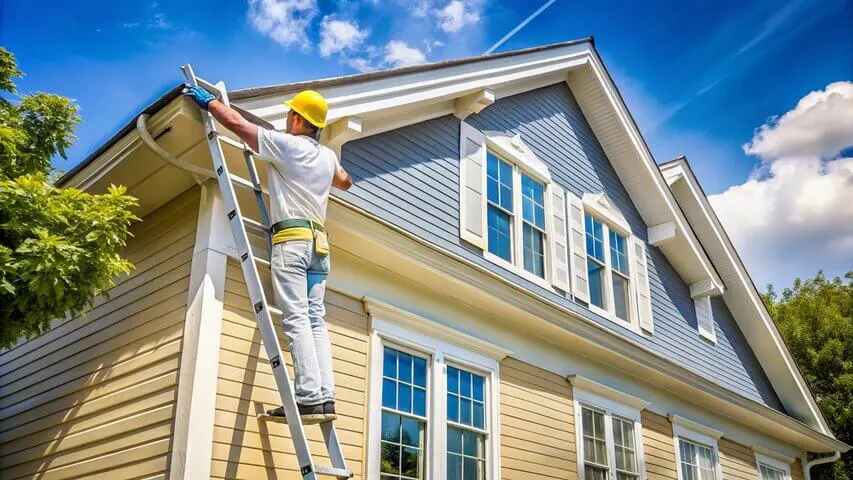
If you’re considering repainting your home’s exterior, one of the first questions that comes up is simple: how long does an exterior painting project take?
It’s a practical concern. You want to know how it will affect your schedule, your driveway, your landscaping, and your daily routine. You may also be trying to plan around travel, family events, or changing weather.
The challenge is that there isn’t a one-size-fits-all answer. Exterior painting timelines can vary based on your home’s size, condition, and even the forecast that week. Without clear expectations, it’s difficult to plan confidently.
In this guide, you’ll get a realistic look at how long an exterior painting project takes for a single-family home. We’ll break down what affects the overall timeline, why some projects move faster than others, and what you should expect from start to finish.
The Short Answer: Typical Timeline for an Exterior Painting Project
For most single-family homes, an exterior painting project typically takes between 3 to 7 days of active work.
Smaller homes in good condition may fall on the shorter end of that range. Larger homes, multi-story properties, or houses that require extensive prep work may take a full week or longer.
It’s important to understand that when homeowners ask how long does an exterior painting project take, the answer depends on several moving parts. The number of days a crew is on-site is only one piece of the equation.
On average, you can expect:
- 1–2 days for preparation (cleaning, scraping, repairs, masking)
- 1–3 days for priming and painting
- 1 day for final touch-ups and cleanup
These are general ranges, not guarantees.
Every home is different. The exterior painting timeline can shift based on weather conditions, surface condition, and the overall scope of work. A reputable painting company will walk through these variables during the estimate process so you have a realistic expectation before work begins.
Think of the 3–7 day range as a starting framework, not a fixed promise.
What Happens Before Painting Even Begins
Many homeowners assume the project starts the day paint is applied. In reality, several important steps happen before the first coat ever goes on the wall.
Scheduling is the first phase. Once you approve an estimate, your project is placed on the calendar based on crew availability and weather conditions. During busy seasons, this lead time can be a few weeks.
Before work begins, a detailed surface evaluation takes place. This allows the crew to identify areas that need attention, such as peeling or flaking paint, cracked caulking, soft or damaged wood, and mildew or surface staining. Addressing these issues early prevents delays once the project is underway.
Weather planning also plays a role. Exterior painting requires dry conditions and temperatures within a specific range for proper adhesion and curing. Even if your project is scheduled, the start date may shift slightly if rain or extreme temperatures are forecasted.
Then comes preparation, which is often the most time-intensive part of the entire exterior painting timeline. Proper surface preparation, including thorough cleaning and pressure washing, ensures the new paint bonds correctly and lasts.
Preparation may also involve scraping loose paint, sanding rough edges, replacing minor trim or wood sections, caulking gaps and sealing joints, and masking windows, fixtures, and landscaping.
None of this is cosmetic. Proper prep is what allows new paint to bond correctly and last.
For homeowners, this explains why projects don’t begin with ladders and paint rollers right away. A professional exterior paint project duration always accounts for thorough prep work before visible color changes begin.
How Home Size and Layout Affect Project Duration
One of the biggest factors in determining how long exterior painting takes is the size and layout of the home itself. Square footage matters, but it’s not the only measurement that affects the schedule.
A larger home naturally requires more surface area to clean, prep, prime, and paint. More siding means more time on ladders or scaffolding, more materials, and more detailed work. Even two homes with similar square footage can have very different timelines depending on how that space is structured.
The number of stories also plays a significant role. A single-story ranch is typically faster to complete than a two- or three-story home. Multi-level properties require additional ladder setups, safety measures, and more careful movement around the structure, which can slow the pace of progress.
Architectural details add time as well. Homes with intricate trim, decorative brackets, shutters, multiple color schemes, or detailed soffits require more precision. Each color change involves additional cutting in and setup adjustments. These details may not dramatically extend the project, but they do increase the overall exterior paint project duration.
Even accessibility impacts the schedule. Tight spaces between homes, steep grading, fencing, heavy landscaping, or limited driveway access can slow crew movement and equipment setup.
When estimating how long does an exterior painting project take, professionals evaluate more than just square footage. They assess complexity, height, layout, and access to provide a realistic timeframe tailored to your specific home.
How Weather Can Extend or Shorten Exterior Painting Timelines
Weather is one of the few variables no one can control, yet it has a major influence on the exterior painting timeline.
Paint needs the right conditions to adhere properly and cure as intended. That means dry surfaces, moderate temperatures, and manageable humidity levels. When those conditions line up, crews can move efficiently and maintain a steady pace.
Rain is the most obvious delay. Even light showers can halt progress because surfaces must be completely dry before prep or painting continues. After rainfall, siding often needs additional drying time before work resumes.
Humidity also affects how long exterior painting takes and how long exterior paint lasts in coastal climates. High moisture levels in the air can slow drying times between coats. If paint doesn’t cure properly, it can impact durability and finish quality. Professional crews monitor humidity closely and adjust timing between coats to avoid problems.
Temperature matters just as much. Most exterior paints perform best within a specific temperature range. Extremely hot weather can cause paint to dry too quickly, leading to adhesion issues. Cold weather can slow curing and affect bonding.
Wind can be another factor. Strong gusts can make spraying difficult and increase the risk of debris sticking to wet surfaces.
Because of these variables, flexibility is part of any realistic exterior painting schedule. A slight pause for weather protection is often better than rushing and compromising long-term results.
The Difference Between Active Work Days and Total Project Time
When homeowners ask about timing, they often picture how many days the crew will physically be on-site. That’s only part of the story.
There’s a difference between active work days and total calendar time from start to completion. Understanding this helps you plan more accurately.
Active work days refer to when the crew is present and progressing through the project. This may include:
- Surface preparation and repairs
- Priming and applying paint
- Detail work and trim painting
- Final inspections and touch-ups
Total project time includes everything from the first day of prep to the final walkthrough, including any necessary pauses. This can involve:
- Drying time after pressure washing
- Cure time between coats
- Weather-related delays
- Scheduled days off between major stages
For example, a project may involve four active work days, but span six or seven total calendar days due to drying time or a rain delay.
This distinction is important for homeowners planning around driveway access, patio use, pets, or outdoor gatherings. Even if the crew isn’t working every single day, the project may still be in progress.
Clear communication with your painting company helps set expectations about both the days crews are present and the overall exterior painting timeline from start to finish.
Common Reasons Exterior Painting Projects Take Longer Than Expected
Even with a well-planned schedule, certain factors can extend a project beyond the original estimate.
Most delays are not the result of poor planning. They are usually tied to protecting the quality and longevity of the finished result.
One of the most common reasons for extended timelines is unexpected surface damage. Once preparation begins, crews may uncover wood rot, loose siding, deteriorated trim, or hidden moisture issues that weren’t fully visible during the initial estimate. Addressing these problems properly takes time, but skipping them would compromise the final finish.
Weather shifts can also change the schedule mid-project. A sudden rainstorm or a stretch of high humidity may require a pause to ensure surfaces are dry and conditions are right before continuing. Rushing through these pauses can lead to adhesion problems or premature peeling.
Color changes sometimes add time as well. Drastic shifts from dark to light shades, or vice versa, may require additional coats for full coverage. More coats mean more drying time between applications.
Finally, detail-focused work simply cannot be rushed. Cutting in clean lines, protecting landscaping, and ensuring even coverage require care. A quality-driven crew will prioritize long-term durability over finishing a day early.
In many cases, a slightly longer exterior paint project duration reflects attention to detail rather than inefficiency.
How Homeowners Can Plan Around an Exterior Painting Project
While you can’t control every variable, you can take a few practical steps to make the process smoother. Good planning reduces stress and helps the exterior painting timeline stay on track.
Start by thinking about access. Make sure crews can easily reach all sides of the home. That may mean trimming back bushes, unlocking gates, or temporarily relocating patio furniture and grills.
Consider parking arrangements as well. Driveways are often used for ladders, equipment, and paint storage. Planning alternative parking in advance prevents last-minute inconvenience.
If you have pets, think through how they’ll be managed during the project. Open gates, unfamiliar equipment, and increased activity can create safety concerns. A temporary indoor setup or secure fenced area helps avoid disruptions.
It’s also helpful to plan around outdoor use. If you’re hosting an event, scheduling the project before or after makes things easier. Even when crews are efficient, exterior work involves noise and movement.
Finally, maintain clear communication with your painting company. Ask questions about daily schedules, expected milestones, and any potential adjustments. The more aligned expectations are upfront, the smoother the experience tends to be.
Planning isn’t about controlling every detail. It’s about creating space for the project to move forward without unnecessary obstacles.
Wrap-Up: What to Expect From an Exterior Painting Timeline
So, how long does an exterior painting project take for a single-family home?
In most cases, you can expect between three and seven active work days, with total calendar time sometimes extending slightly due to preparation, drying, or weather. The exact timeline depends on your home’s size, layout, condition, and the conditions during the project.
Preparation plays a major role. Thorough cleaning, repairs, and surface prep often determine how smoothly painting progresses. Weather can also shift the schedule, especially when rain, humidity, or temperature changes affect drying and curing.
Home size, architectural detail, and accessibility all influence how long exterior painting takes. A straightforward, single-story home will typically move faster than a multi-story property with detailed trim and multiple color changes.
Understanding these factors helps you plan realistically rather than relying on a fixed number of days. A well-executed project balances efficiency with care to protect the long-term durability of the finish.
If you’re ready to refresh your home’s exterior, Seaside Coatings is here to help. We take the time to assess your home, explain the process clearly, and provide a realistic timeline tailored to your property. Visit our exterior painting services page to see how we approach preparation, scheduling, and long-lasting results. When you’re ready to move forward, contact us and we’ll walk you through the next steps.