
How Long Does a Professional Interior Painting Project Take to Complete?
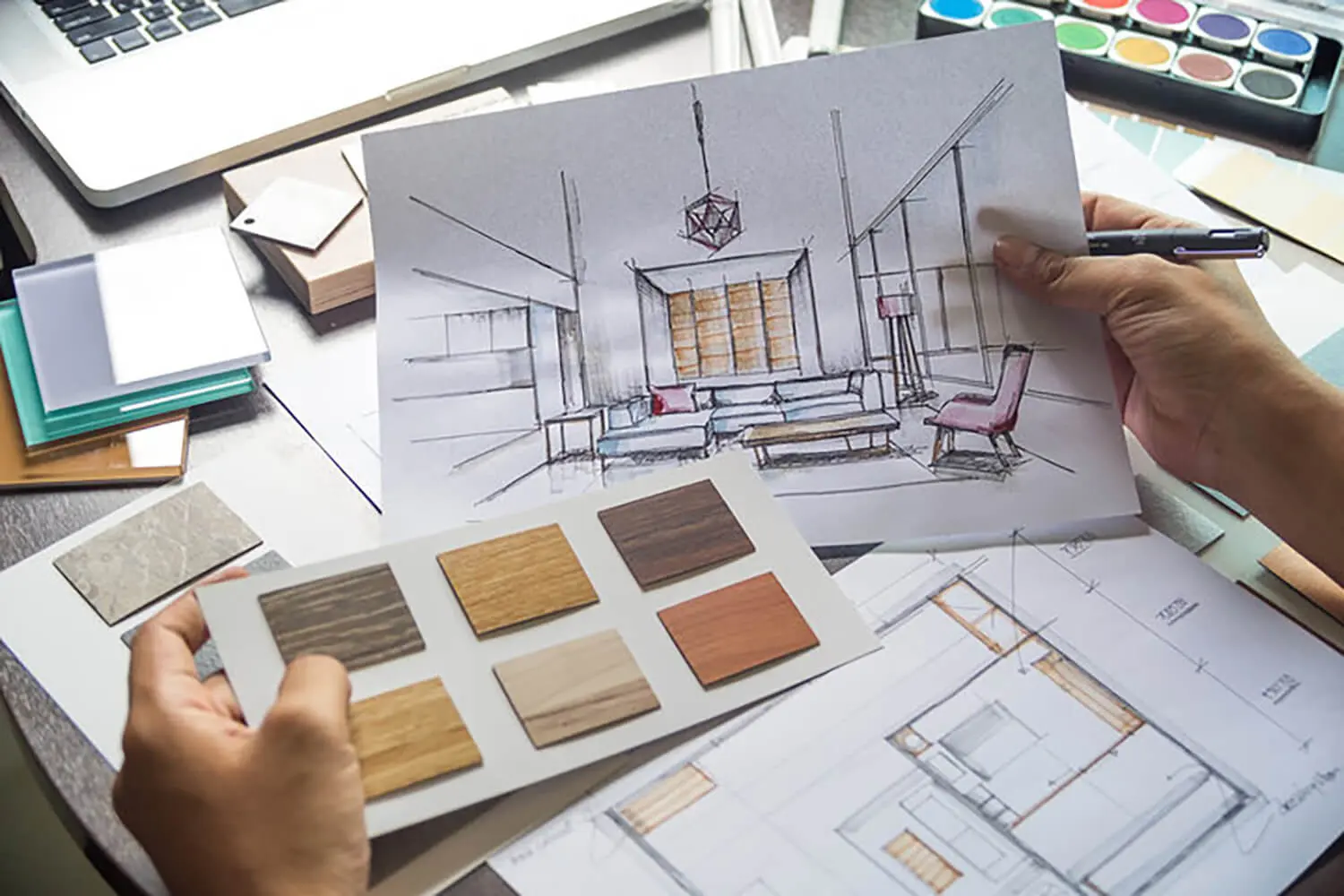
Homeowners often ask how long does a professional interior painting project take to complete because timing affects everything from work schedules to daily routines. Painting isn’t just about changing wall color. It involves preparation, coordination, drying time, and cleanup, all of which influence how long your home will feel like a work zone.
The challenge is that online answers are often vague or misleading. Some sources focus only on how fast paint dries, while others oversimplify the process by giving one-size-fits-all timelines. In reality, interior painting timelines vary based on the size of the project, the condition of the walls, and how much preparation is needed before the first coat ever goes on.
Understanding the full timeline matters before you book a professional painter. It helps you plan around work-from-home days, family schedules, pets, and furniture movement. It also sets realistic expectations so you’re not surprised if a project takes longer than a single afternoon.
This article breaks down what actually goes into a professional interior painting timeline. You’ll learn how long each phase typically takes, what can speed things up or slow them down, and how professionals structure projects to minimize disruption while still delivering quality results.
What a Typical Professional Interior Painting Timeline Looks Like From Start to Finish
A professional interior painting project follows a clear sequence, not a single block of time spent rolling paint on walls. Understanding the full timeline helps homeowners see why projects take the amount of time they do and where that time is actually spent.
Most projects move through these general phases:
- Initial consultation and estimate
- Scheduling and planning
- Surface preparation
- Painting and drying
- Final touch-ups and cleanup
The actual painting days are only one part of the overall process. Preparation and planning often account for a significant portion of the interior painting project duration, especially when walls need repairs or multiple rooms are involved.
Smaller projects, like repainting one or two rooms, may be completed in just a few days from start to finish. Larger or whole-home projects often span one to two weeks once work begins, depending on scope and complexity.
Professional painters structure timelines to balance efficiency with quality. Rooms are usually completed in stages rather than all at once, which allows paint to dry properly and keeps the home usable during the process.
When homeowners ask how long interior painting takes, the most accurate answer looks at the entire timeline, not just how fast a crew can apply paint.
How Long the Pre-Painting Phase Takes Before Work Begins
Before any paint is opened or surfaces are prepped, there is a pre-painting phase that helps set the entire project up for success. This stage often takes longer than homeowners expect, but it plays a major role in keeping the project on schedule once work starts.
For most professional interior painting projects, the pre-painting phase can take anywhere from a few days to a couple of weeks. The exact timing depends on availability, project complexity, and how quickly decisions are made.
This phase typically includes:
- An in-home consultation and walkthrough
- Measuring rooms and evaluating wall conditions
- Discussing colors, finishes, and scope of work
- Providing and approving a written estimate
- Scheduling the project start date
Once the estimate is approved, additional time may be needed for ordering paint and materials, especially for specialty finishes or custom colors. Coordinating schedules between the homeowner and the painting crew also affects how soon work can begin.
Homeowners can help shorten this phase by finalizing color choices early, clearly defining the scope of the project, and ensuring easy access for the initial evaluation. While it may feel like a waiting period, this planning stage helps prevent delays and surprises once painting is underway.
How Surface Preparation Impacts the Overall Project Duration
Surface preparation is one of the biggest factors influencing how long a professional interior painting project takes to complete. While it may not be the most visible part of the job, it often determines both the timeline and the quality of the final result.
Walls that are clean, smooth, and in good condition require far less time to prepare. In these cases, prep may involve light sanding, minor patching, and basic cleaning, allowing the painting phase to begin relatively quickly. Homes that have been well maintained or painted recently tend to fall into this category.
When walls show signs of wear, age, or damage, preparation takes significantly longer. Cracks, nail pops, peeling paint, water stains, or uneven textures must be addressed before paint is applied. These repairs are not optional if the goal is a durable, professional-looking finish and an accurate interior painting estimate. Each repair step often requires drying time before the next can begin, which adds days rather than hours to the overall timeline.
Surface prep is also influenced by previous paint types and finishes. Glossy or oil-based coatings need extra sanding or priming to ensure proper adhesion. Skipping or rushing these steps may shorten the schedule initially, but it increases the risk of visible flaws and premature paint failure.
In most professional interior painting timelines, thorough preparation is what allows the finished paint to last and look consistent across every room.
How Long Painting Typically Takes Per Room
The amount of time it takes to paint each room varies based on size, layout, and the level of detail involved. While homeowners often expect rooms to be completed quickly, professional painters work methodically to ensure clean lines, even coverage, and proper drying between coats.
For standard bedrooms, offices, or guest rooms, painting usually takes one to two days per room. This includes cutting in edges, rolling walls, allowing adequate drying time, and applying additional coats if needed. Rooms with minimal trim and simple layouts tend to move faster, which is common in many interior painting projects.
Larger living spaces, such as living rooms or family rooms, often take longer. Higher ceilings, open floor plans, and multiple wall angles increase both prep and painting time. These spaces commonly take two to three days to complete, especially if ceilings and trim are included.
Kitchens and bathrooms typically require extra time despite being smaller. Cabinets, fixtures, and appliances need careful protection, and moisture-resistant paints often require longer drying times. Detailed cut-ins around tile, backsplashes, and built-ins also slow the process.
Doors, trim, and baseboards add time regardless of room size. Painting these elements properly usually involves multiple coats and drying periods, which extends the professional interior painting timeline even when wall painting is straightforward.
How Drying and Curing Time Affects Project Completion
Drying and curing time plays a major role in how long a professional interior painting project takes to complete, even after the last coat has been applied. While paint may look finished quickly, it still needs time to set properly before rooms are fully usable.
Most interior paints are dry to the touch within a few hours. This allows painters to move between rooms or apply additional coats on the same day. However, being dry to the touch is not the same as being fully cured. Curing is the process where paint hardens and reaches its full durability, which can take several days or longer depending on conditions.
Humidity, temperature, and ventilation all affect drying speed. Homes with good airflow and stable indoor temperatures allow paint to dry more evenly and on schedule. In contrast, high humidity or limited ventilation can slow drying and extend the interior painting project duration.
Drying time also influences when furniture can be moved back and when walls can be cleaned. Professional painters factor this into the overall professional interior painting timeline to avoid smudges, marks, or damage to freshly painted surfaces.
Although drying time may feel like downtime, it is a necessary part of achieving a smooth, long-lasting finish that holds up to daily use.
How Multi-Room or Whole-Home Projects Are Scheduled
When multiple rooms or an entire home are being painted, the project is carefully scheduled to keep work moving efficiently while minimizing disruption for the homeowner. Professional painters do not typically paint every room at once. Instead, they work in phases that allow spaces to remain usable and paint to dry properly.
In multi-room projects, painters often start with rooms that are used less frequently, such as guest bedrooms or offices. This creates flexibility in the schedule and gives freshly painted areas time to cure before furniture and daily activity return. High-traffic areas like kitchens, hallways, and living rooms are usually scheduled later in the process.
Whole-home interior painting projects are commonly divided by floors or zones. Crews may complete all prep work first, then move room by room in a planned sequence. This approach helps maintain consistent results and reduces the risk of missed details or rushed work.
The size of the crew also affects scheduling. Larger teams can work on multiple rooms at the same time, while smaller crews focus on one area at a time for better control and quality. Either way, the professional interior painting timeline is built to balance efficiency with a clean, finished result throughout the home.
What Can Extend or Shorten a Professional Interior Painting Timeline
Several factors can influence whether a project finishes sooner than expected or takes longer than initially planned. Understanding these variables helps homeowners set realistic expectations and avoid frustration during the process.
Projects tend to move faster when the scope is clearly defined from the start. Finalized color selections, confirmed room lists, and straightforward wall conditions allow painters to work without interruption. Homes with easy access to rooms and minimal furniture movement also support a smoother workflow.
Timelines often extend when unexpected issues are discovered after work begins. Hidden wall damage, additional drywall repairs, or changes to the original plan can add time. Even small adjustments, such as adding an extra room or switching to a darker color that requires more coats, can affect how long interior painting takes.
Environmental conditions matter as well. High humidity or limited airflow can slow drying times, which may delay the next phase of work. Scheduling conflicts, such as limited access to certain rooms or last-minute homeowner availability changes, can also impact progress.
Professional painters build flexibility into the interior painting project duration to account for these possibilities. Clear communication and upfront planning are the best ways to keep the project moving on schedule.
What Happens During the Final Days of an Interior Painting Project
The final days of an interior painting project focus on refinement rather than major changes. By this stage, most surfaces have been painted, and the remaining time is dedicated to making sure everything looks clean, consistent, and finished.
Painters typically begin with detailed touch-ups. This includes correcting small imperfections, sharpening cut lines, and ensuring even coverage across walls, trim, and ceilings. These adjustments may seem minor, but they have a noticeable impact on the overall appearance of the space.
Cleanup is another major part of the final phase. Drop cloths and protective coverings are removed, paint supplies are packed up, and surfaces are wiped down. Furniture is carefully returned to its original position, and floors are checked for dust or debris.
A final walkthrough usually takes place once touch-ups and cleanup are complete. This allows homeowners to review the work, point out any concerns, and confirm that the project meets expectations. Addressing feedback at this stage ensures the project is fully complete before the crew leaves.
Although these final days may feel slower, they are essential to delivering a polished result that reflects professional workmanship.
How to Plan Your Schedule Around a Professional Interior Painting Project
Planning ahead makes an interior painting project much easier to live with while work is underway. Most homeowners can stay in the home, but some temporary adjustments help prevent disruption and delays.
A few things to plan for include:
- Certain rooms being unavailable during painting and drying
- Adjusting work-from-home schedules around active work areas
- Making arrangements for pets and young children during work hours
- Clearing small items and personal belongings before each phase
Furniture is usually moved by the painting crew, but having rooms prepped ahead of time helps keep the schedule on track. Painters can also let you know which spaces will be worked on each day so you can plan meals, meetings, and routines accordingly.
Open communication helps set expectations and reduces stress. When homeowners know what to expect day by day, the professional interior painting timeline feels far more manageable.
Setting the Right Expectations for an Interior Painting Timeline
Understanding how long does a professional interior painting project take to complete comes down to recognizing that quality work happens in stages. A professional timeline includes planning, preparation, painting, drying, and final detail work, not just the time spent applying paint to walls.
Most homeowners are surprised to learn that preparation and scheduling often take as much time as painting itself. Wall condition, room count, ceiling height, and the level of detail all influence the interior painting project duration. Drying and curing time also plays a role, even after the space looks finished.
The most important takeaway is that shorter timelines are not always better. Rushing prep, skipping drying time, or compressing the schedule can lead to visible flaws and paint that does not last. A realistic professional interior painting timeline is designed to protect both the appearance and durability of the finished work.
For homeowners, the best way to avoid frustration is to plan ahead, make decisions early, and communicate clearly with the painting team. Knowing what to expect allows you to schedule work, manage daily routines, and feel confident throughout the process.
If you’re planning an interior painting project and want a clear timeline you can trust, our interior painting services are a great place to start. At Seaside Coatings, we evaluate your space, prep needs, and scope of work to create a schedule that fits your home and routine. Instead of guessing how long the job might take, you’ll get a realistic plan built around your specific project.