How Humidity Affects Interior Paint Drying in Naples Homes
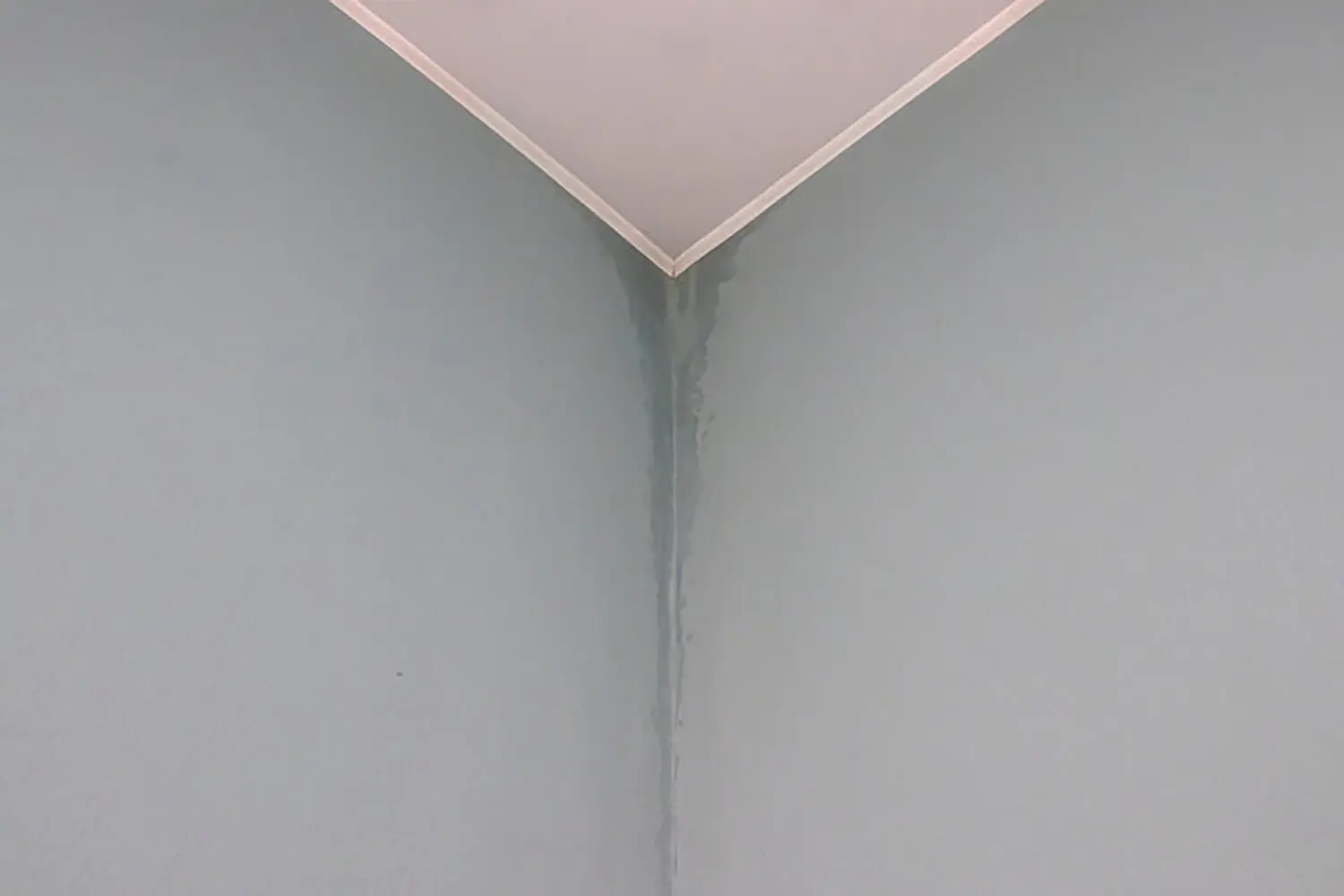
Interior paint projects don’t always behave the way homeowners expect in Naples. A room can look freshly painted and feel dry within hours, only to develop tackiness, marks, or uneven sheen days later. That disconnect often leaves people confused, especially when the paint itself is high quality and the application seemed straightforward.
One of the biggest misconceptions is that paint drying is only about time. Many homeowners assume that if they wait the number of hours listed on the label, the job is finished. In a humid coastal climate, that assumption doesn’t always hold up. Moisture in the air plays a much larger role than most people realize, and it can quietly slow or disrupt the drying process even when everything looks normal on the surface.
What homeowners are really trying to understand is why interior paint behaves differently here than it might in other regions, and whether those differences can be managed. Humidity affects more than just how long paint feels wet. It influences how the paint cures, how durable it becomes, and how well the finish holds up over time.
This guide breaks down how humidity affects interior paint drying in Naples homes, what that means in real-world terms, and how understanding those conditions helps set clearer, more realistic expectations from the start.
What Actually Happens When Paint Dries in Humid Conditions
Paint drying isn’t a single step, even though it often feels that way to homeowners. When paint is applied, it first needs moisture to evaporate from the surface. Only after that happens can the paint begin curing, which is when it hardens and forms a durable, protective film. Humidity directly slows that first stage, and everything else depends on it.
When the air is already full of moisture, evaporation happens more slowly. The water in the paint has nowhere to go, so the surface stays wet longer than expected. This is why paint can feel dry to the touch but still be unstable underneath. The drying clock hasn’t really finished, even if it looks like it has.
High humidity also interferes with how paint tightens and settles as it cures. Instead of forming an even, consistent film, the coating can cure unevenly across the same surface. That uneven curing is what leads to subtle but frustrating issues later on.
In Naples, this effect is amplified because humidity isn’t occasional. It’s built into the coastal environment. Even inside the home, moisture levels stay elevated for long stretches of the year, especially during warmer months.
Air conditioning helps manage comfort, but it isn’t designed to optimize paint drying. HVAC systems remove some moisture, but cycling patterns, thermostat settings, and overall system capacity often leave enough humidity behind to slow the drying process without homeowners realizing it.
How Naples Homes Hold Onto Moisture Indoors
Even when doors and windows stay closed, outdoor humidity doesn’t stay outside. In Naples, moisture naturally migrates indoors through small gaps, building materials, and everyday air exchange. Opening doors, running exhaust fans, and normal HVAC cycling all bring humid air inside, where it can linger longer than expected.
Homes near the water tend to feel this more strongly. Higher ambient humidity, salt air, and consistent moisture exposure make it harder for indoor spaces to fully dry out. Older homes often compound the issue because they’re less airtight, allowing more humid air to seep in through walls, attics, and crawl spaces.
Seasonal patterns also play a role. In Naples, humidity doesn’t disappear in the winter the way it does in colder climates. While temperatures may drop slightly, moisture levels often stay elevated, especially during rainy periods or prolonged warm spells. That means interior conditions can remain humid year-round, even when the weather feels milder.
Another factor is how long moisture hangs around once it’s inside. Many homes maintain comfortable temperatures but still hold higher relative humidity, especially in rooms with limited airflow. Without strong circulation or dedicated dehumidification, that moisture can stay trapped indoors, quietly affecting how paint dries long after the project is finished.
What Slower Drying Looks Like on Interior Surfaces
When humidity slows the drying process, the effects usually show up in subtle ways at first. Many homeowners don’t realize moisture is the cause because the paint may appear fine immediately after application. Issues tend to develop as the coating continues to cure.
Common signs of slower drying caused by excess humidity include:
- Paint that stays tacky or soft longer than expected, especially when touched or cleaned
- Surfaces that feel dry on top but dent, scratch, or mark easily
- Uneven sheen across the same wall, where some areas look flatter or glossier than others
- Visible streaks or lap marks that didn’t level out as the paint dried
- Imprints from furniture, tape, or wall hangings that press into the finish days later
These problems often get blamed on poor paint quality or rushed workmanship. In reality, the paint may have been applied correctly, but the environment prevented it from drying evenly. Because humidity-related issues don’t always show up right away, homeowners are often surprised when flaws appear after the room is back in use.
Understanding these signs helps explain why drying conditions matter just as much as the paint itself, especially in a humid coastal climate.
Where Humidity Creates the Most Risk Indoors
Not all rooms react the same way to humidity. Some spaces naturally collect more moisture or restrict airflow, which makes drying issues more likely even when the rest of the home feels comfortable.
Bathrooms, kitchens, and laundry rooms are the most sensitive because they regularly produce steam and moisture, and choosing the best paint for interior walls in these spaces can make a big difference in wear resistance and longevity. Showers, cooking, and running appliances add humidity on top of what’s already in the air, extending drying times and increasing the risk of finish problems if ventilation is limited.
Certain surfaces also respond differently:
- Ceilings tend to dry more slowly because warm, moist air rises and lingers above eye level
- Trim and doors are handled more often, so soft paint shows damage faster
- Cabinets and built-ins can trap moisture around edges and corners
Airflow plays a major role as well. Rooms without return vents, ceiling fans, or good circulation often hold onto humidity longer. Closets, hallways, and enclosed rooms may feel dry to occupants but still maintain moisture levels that slow curing.
These conditions don’t mean paint can’t be applied in these spaces. They simply require more awareness and adjustment, because humidity behaves very differently depending on where it’s allowed to collect inside the home.
How Professional Painters Account for Humidity
Experienced painters don’t treat humidity as an afterthought. In coastal areas like Naples, it’s one of the main factors that shapes how a project is planned and executed. The goal isn’t to rush paint to dry faster, but to create conditions where it can dry evenly and cure properly.
Airflow is managed carefully. Too little circulation allows moisture to linger, but too much forced air can cause paint to skin over before it levels. Professionals balance fans and ventilation to keep air moving gently without disrupting the surface.
Dehumidification and temperature control are used intentionally. In some cases, portable dehumidifiers are brought in to lower moisture levels without overcooling the space. Temperature is kept stable so paint doesn’t experience rapid shifts that can interfere with curing.
Timelines are also adjusted. Rather than sticking rigidly to manufacturer recoat times, experienced painters allow extra drying time between coats when conditions demand it. This prevents trapping moisture under additional layers of paint.
That’s where experience matters most. In humid environments, knowing how paint behaves in real homes is more valuable than simply choosing a premium product. Proper technique and environmental control do more for the final result than brand alone, and understanding types of paint finishes helps professionals match the right sheen and durability to each part of your home.
How to Set Realistic Expectations for Interior Painting in Naples
One of the biggest adjustments homeowners need to make in a humid climate is how they think about drying time. Manufacturer labels often list ideal conditions that don’t reflect what actually happens in coastal homes. In Naples, it’s common for drying and curing to take longer, even when everything is done correctly.
Instead of thinking in hours, it helps to think in days. A wall that feels dry the same day it’s painted may still be curing beneath the surface. Adding furniture back too soon, wiping walls aggressively, or hanging items right away can damage paint that hasn’t fully hardened yet.
That extra time protects both appearance and durability. Allowing paint to cure slowly and evenly helps it resist scuffs, clean more easily, and maintain a consistent sheen. Rushing the process increases the risk of marks and wear showing up much sooner than expected.
It’s also important to remember that drying doesn’t stop when the painter leaves. Paint continues to harden over time, and the conditions in the home during that period matter. Stable temperatures, controlled humidity, and patience all play a role in how well the finish holds up long term.
What This Means for Interior Painting in Naples Homes
Humidity doesn’t make interior painting impossible in Naples, but it does change how the process needs to be approached. When moisture is part of the environment year-round, drying time, curing, and long-term durability all depend on how well those conditions are managed. Understanding that paint responds to air quality, not just application technique, helps set more realistic expectations from the start.
When homeowners account for humidity during planning, outcomes tend to be smoother. Timelines feel more predictable, finishes hold up better, and surprises after the project is finished become far less common. Instead of blaming paint products or questioning workmanship, it becomes clear that the environment plays a major role in how paint performs.
This is where local experience matters. Painters who work regularly in coastal climates understand how Naples homes behave and how to adjust for moisture without cutting corners. That knowledge helps protect both the look and longevity of the finished space.
If you are planning an interior painting project in a humid Naples home, working with a team that understands local conditions can make a noticeable difference. At Seaside Coatings, we take airflow, moisture levels, and drying conditions into account before a single coat is applied. We help homeowners avoid common humidity-related issues and plan projects that deliver durable, consistent results. If you want interior paint that looks right and holds up over time, reach out to us to help.